application
Tannase for Tea Cream Reduction and Cold-Soluble Tea | Tannora
Application-led tannase guidance for reducing tea cream, haze, sediment, and poor cold solubility in ready-to-drink tea and instant tea extract processing.
Request pricing Application-led tannase guidance for reducing tea cream, haze, sediment, and poor cold solubility in ready-to-drink tea and instant tea extract processing.
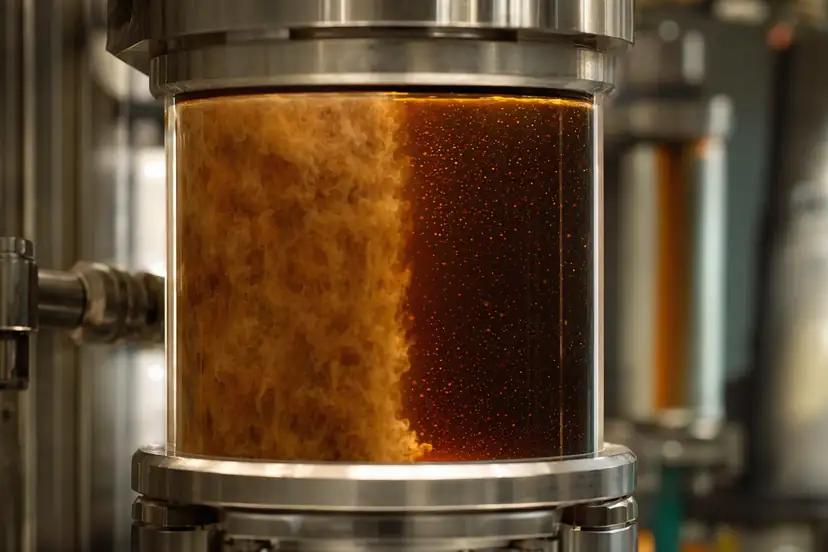
Request pricingTea clarity is won or lost in the polyphenol fraction. In black tea, green tea, and concentrated extracts, tannins can bind with caffeine, proteins, minerals, and other phenolics, forming tea cream, haze, sediment, and poor cold solubility after cooling or dilution.
Tannora supplies Tannase (Tannin Acyl Hydrolase) for tea processors and ingredient manufacturers that need tighter control of tannin-driven instability without flattening the character of the tea.
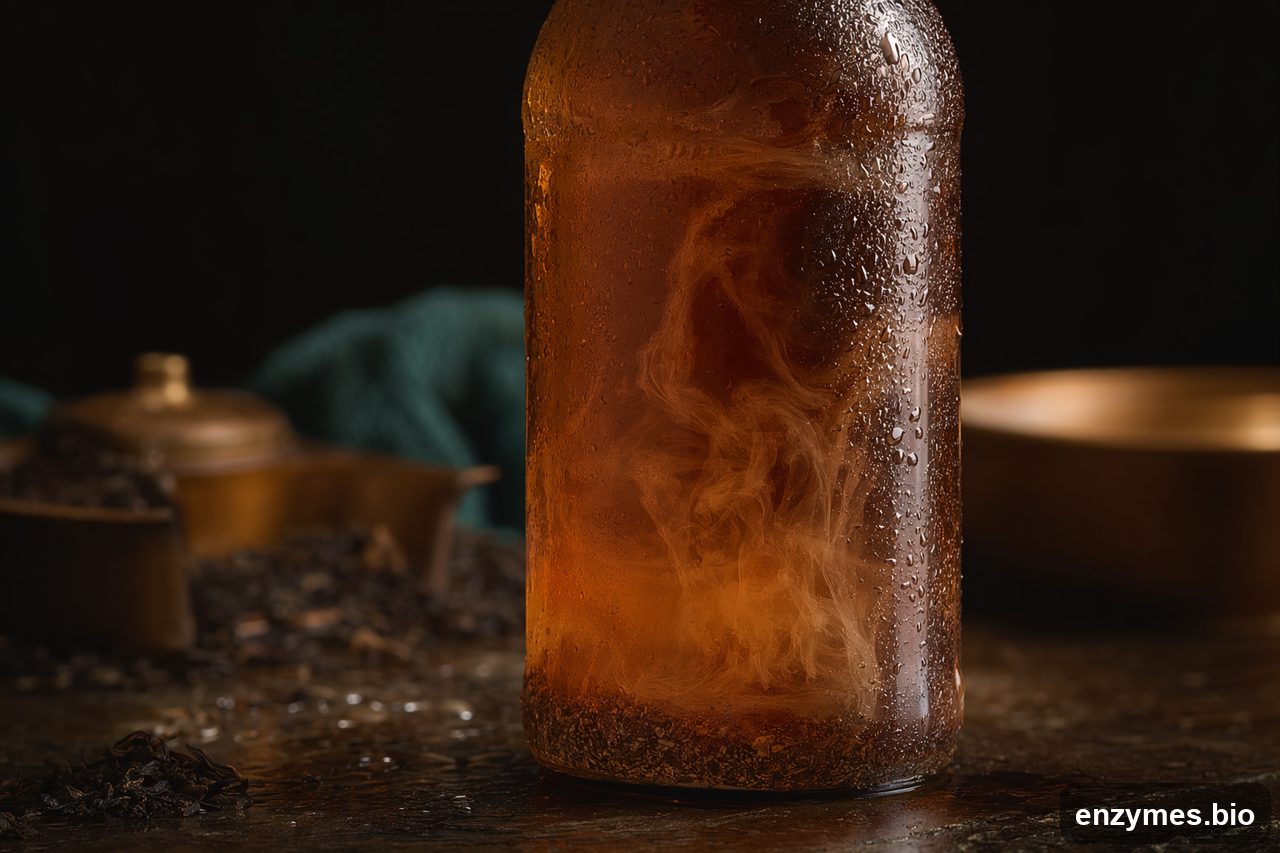
Tannase hydrolyzes selected ester bonds in hydrolysable tannins and related polyphenol structures. In practical terms, that helps shift the extract away from heavy tannin complexes that contribute to visible cream and astringent roughness.
For tea applications, tannase can support:
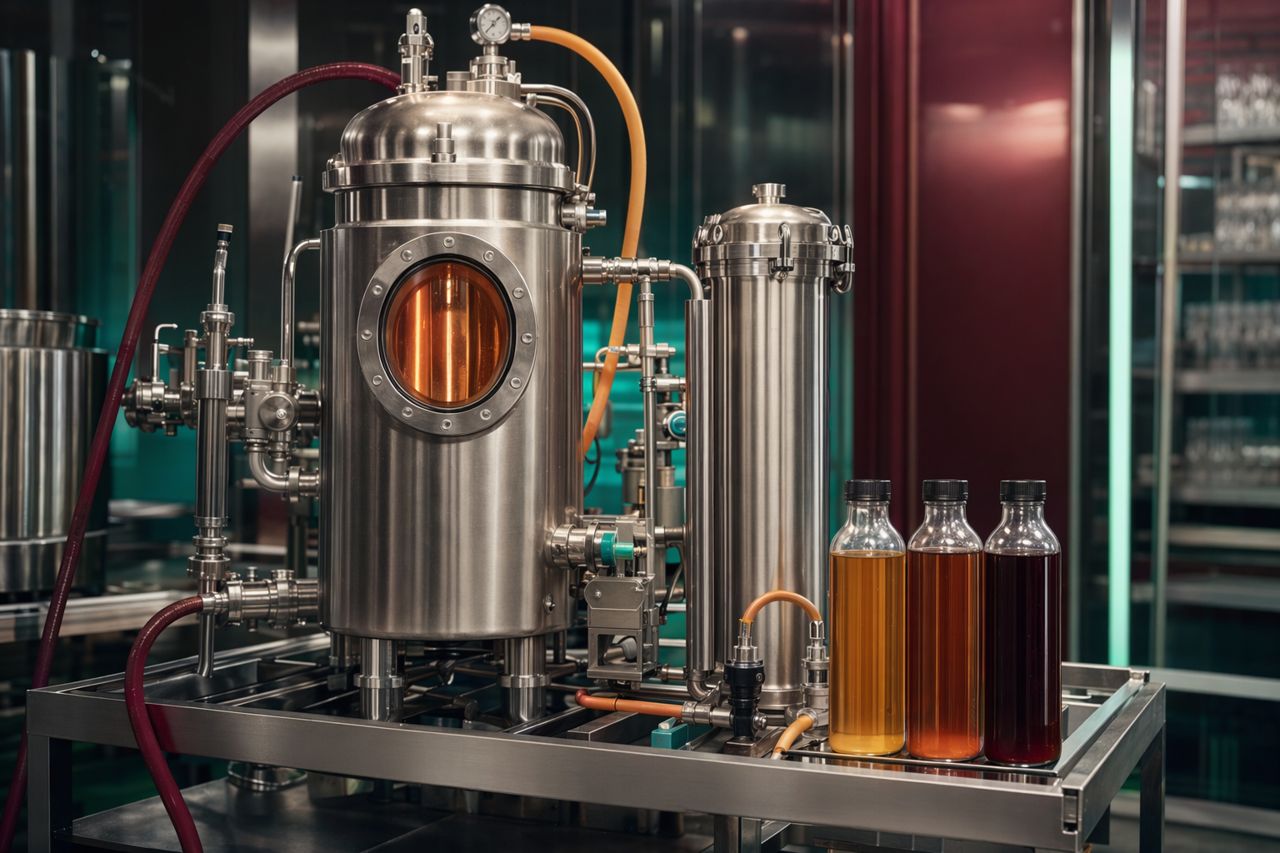
Tannase is typically evaluated during extraction, extract conditioning, or pre-clarification, depending on the process design. The right insertion point depends on whether the target is ready-to-drink clarity, instant powder solubility, extract concentration, or specialty tea ingredient performance.
Common evaluation points include:

RTD tea must survive cooling, distribution, and shelf display without developing a cloudy or unstable appearance. Tannase helps processors manage tannin-caffeine and tannin-protein interactions that can drive visible instability.
Potential benefits include clearer finished beverages, reduced bottle-to-bottle variation, smoother astringency, and less dependence on aggressive clarification that may strip desirable tea notes.
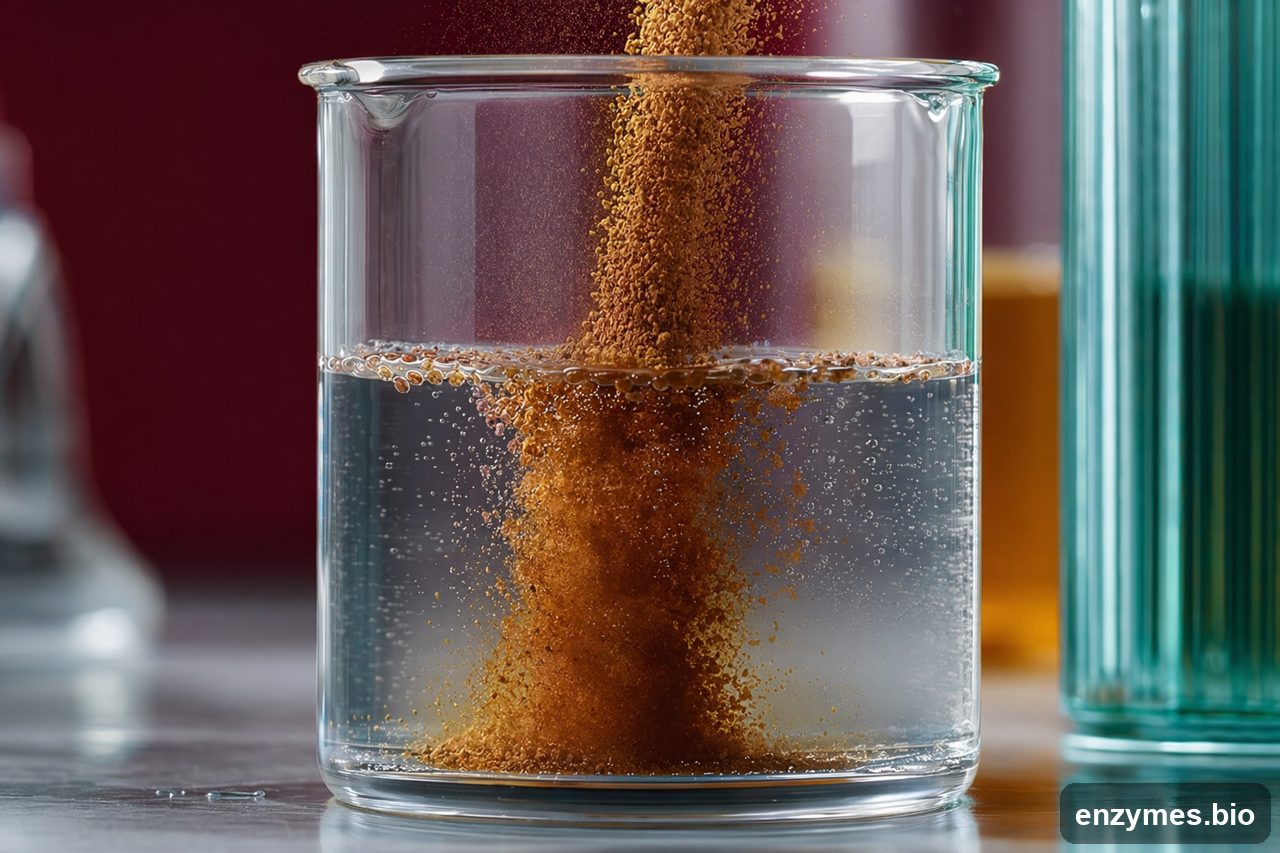
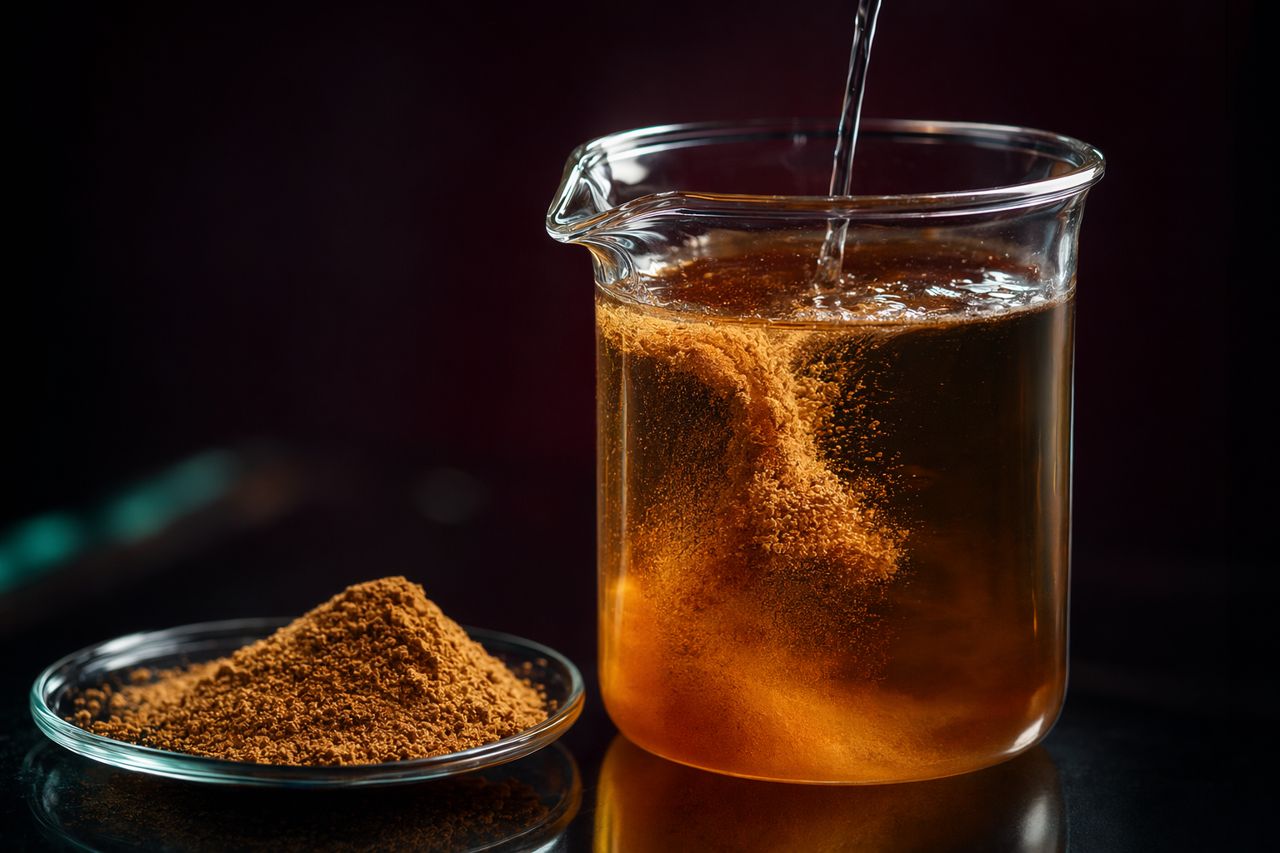
Instant tea performance depends on fast, clean reconstitution. When tannin complexes remain too reactive, powders may dissolve unevenly, leave a cloudy cup, or form sediment in cold water.
Tannase treatment can help create extracts that are better aligned with cold-soluble powder requirements, especially when paired with controlled extraction, separation, concentration, and drying parameters.
For ingredient manufacturers producing tea concentrates, botanical blends, functional beverage bases, or premium dry extracts, tannase provides a way to refine polyphenol behavior while preserving a crafted tea identity.
Tannase performance should be validated in the actual tea matrix. Black tea, green tea, oolong, roasted tea, and botanical-tea blends can respond differently because tannin composition, caffeine level, minerals, pH, extraction severity, and soluble solids all influence cream formation.
Key development variables include:
Tannase is not a one-step visual fix. It is a controlled processing tool for modifying tannin behavior before instability becomes a finished-product problem.
A successful tannase program should balance clarity with flavor architecture. The goal is not to remove the tea's identity. It is to reduce the harsh, unstable fraction of tannic character while keeping brightness, body, color, and varietal expression aligned with the product brief.
Tannora recommends bench screening followed by pilot validation against finished-product targets such as cold haze, sediment, color stability, reconstitution behavior, sensory balance, and process yield.
Tell us your tea format, process stage, and target issue. Tannora will respond with pricing guidance and a practical evaluation path for your team.
Tell us your application and volume — we reply with pricing and lead time.