Tannase for Reducing Astringency in Beverages and Extracts | Tannora
Application-led guide to using tannase for smoother mouthfeel, reduced harsh tannin perception, improved clarity, and controlled polyphenol transformation in beverages and botanical extracts.
Tannin structure drives astringency. When polyphenols bind salivary proteins, the result can be drying, puckering, metallic, or harsh — especially in tea, coffee, wine-style beverages, fruit extracts, botanical concentrates, and plant-derived ingredients.
Tannora tannase is designed for processors who need a more controlled way to refine tannin perception without stripping character from the product.
What tannase does
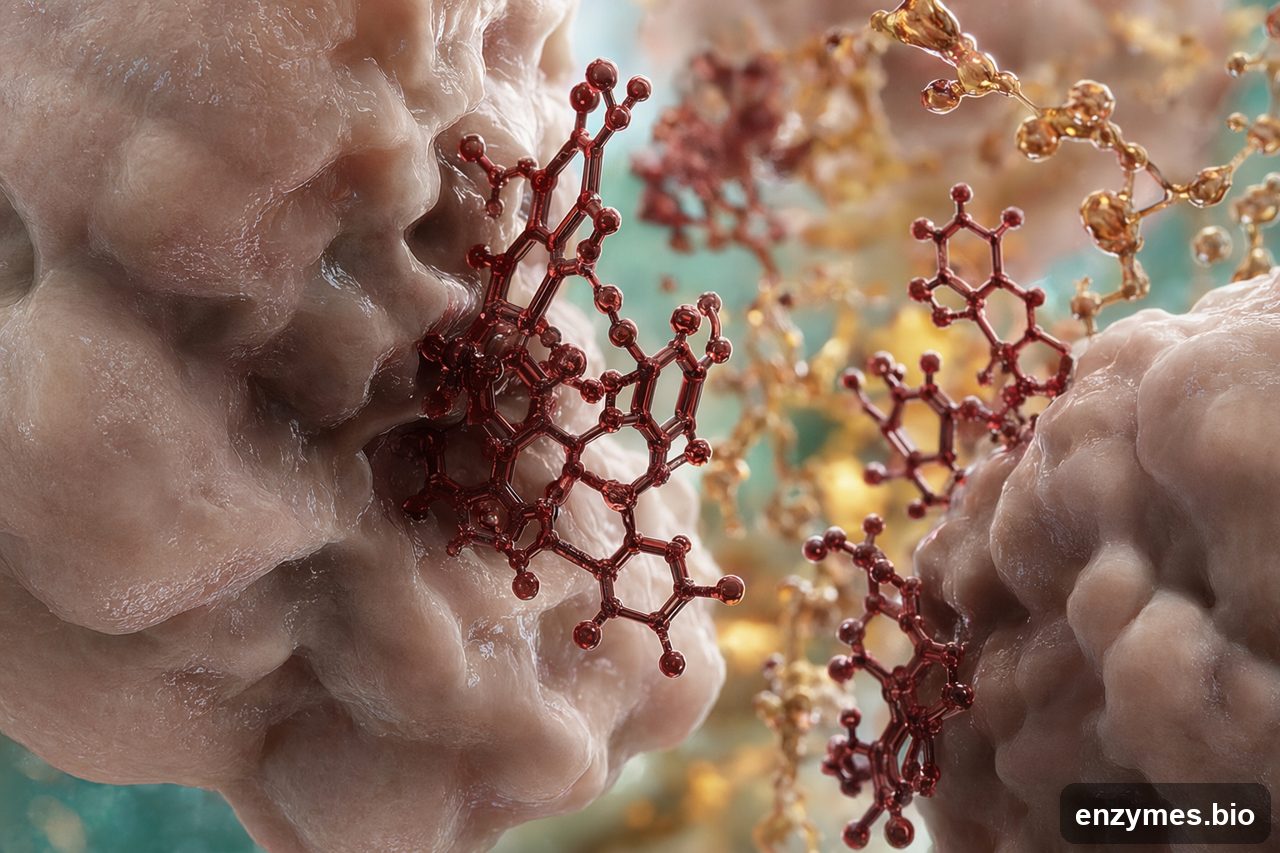
Tannase, properly known as Tannase (Tannin Acyl Hydrolase), catalyzes the hydrolysis of ester linkages in hydrolyzable tannins and galloylated polyphenols. In practical terms, it helps convert heavy, binding-prone tannin structures into smaller phenolic components that are typically less aggressive on the palate.
For formulation and processing teams, that can mean:
Softer astringency and cleaner finish
Reduced puckering in tea, fruit, and botanical systems
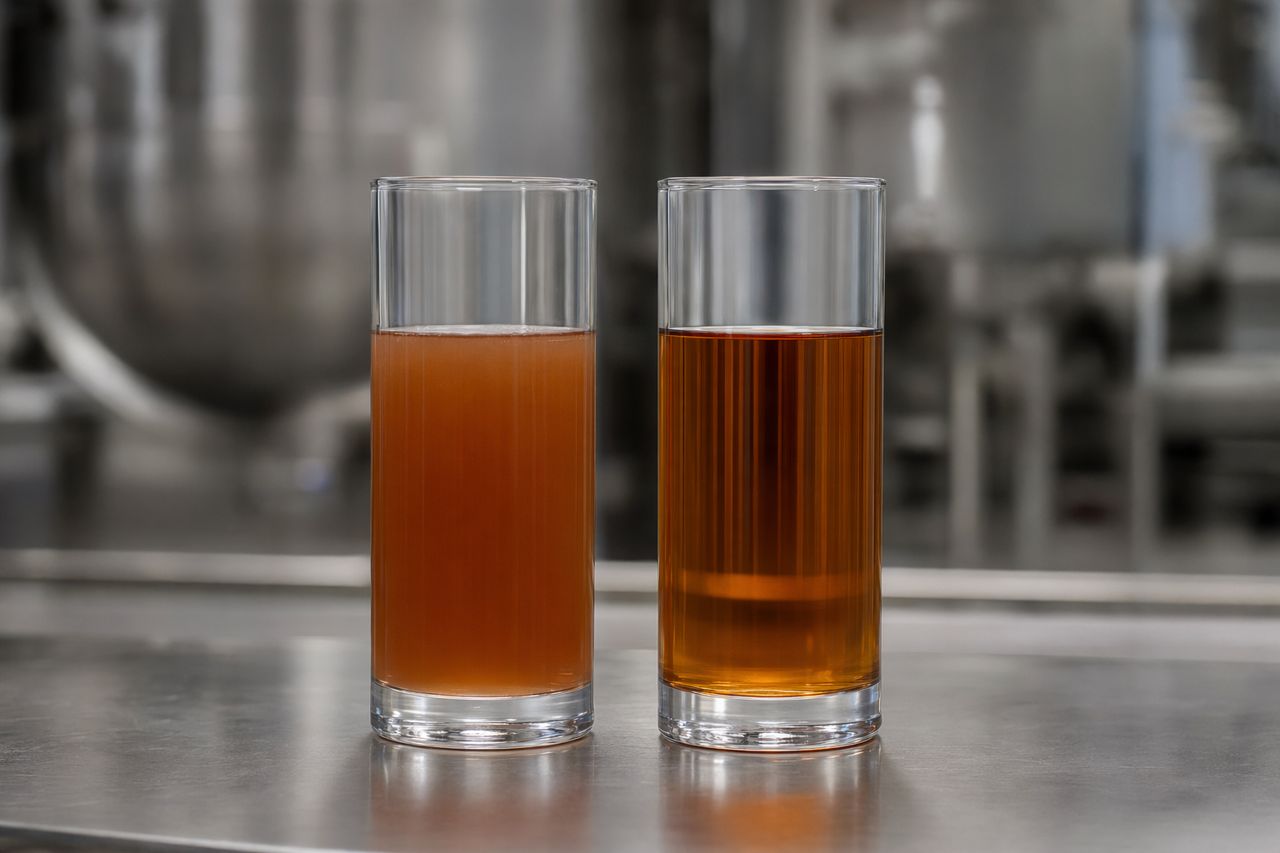
Improved clarity where tannin complexes contribute haze or sediment
More consistent extract performance from variable botanical raw materials
Better downstream handling during filtration, concentration, or blending
A controlled route to gallic-acid-rich phenolic profiles in specialty extracts
Where it is most useful
Ready-to-drink tea and tea concentrates
Tea systems often carry a delicate balance: consumers expect structure, color, and characteristic tea bitterness, but not a drying afterfeel. Tannase can help moderate galloylated catechin behavior and reduce the perception of coarse tannin load while preserving the brewed identity of the base.
Typical use cases include black tea, green tea, oolong, instant tea, concentrated tea extracts, and tea-based functional beverages.
Fruit, botanical, and herbal extracts
Botanical raw materials can vary significantly by season, origin, maturity, and extraction conditions. Tannase gives extract manufacturers a process lever for managing excessive tannin grip before the extract moves into powders, syrups, functional blends, or finished beverages.
It is especially relevant where the finished product must meet sensory targets without relying on heavy masking systems.
Wine-style, cider, and fermented beverages
In fermented matrices, tannins influence mouthfeel, color stability, and perceived dryness. Tannase can be evaluated as part of a controlled treatment strategy where the goal is to reduce roughness, improve drinkability, or standardize tannin contribution across batches.
It should be trialed carefully because tannin structure also supports body and complexity. The best result is not maximum tannin removal — it is calibrated refinement.
Specialty phenolic ingredients
For ingredient manufacturers producing polyphenol extracts, tannase can support targeted transformation of galloyl-containing substrates. This may improve solubility, modify sensory impact, and create distinctive phenolic profiles for premium beverage, nutraceutical, and food applications.
Why processors use tannase instead of masking
Sweeteners, acids, flavors, and texture systems can soften perception, but they do not address the tannin structure itself. Tannase provides a biochemical process step upstream of formulation correction.
That matters when the product needs:
A cleaner label strategy
Less flavor masking
Lower sugar dependence
More stable sensory quality across raw material lots
Better filtration or visual appearance
A more premium, less over-formulated taste profile
Process considerations
Tannase performance depends on the substrate, polyphenol profile, extraction history, pH, temperature, contact time, and desired sensory endpoint. The right treatment point may be during extraction, after extraction, before concentration, or before final blending.
Key development questions include:
What is the dominant tannin problem? Dryness, bitterness, haze, sediment, metallic notes, or batch variability?
Which tannins are present? Hydrolyzable tannins and galloylated structures respond differently from condensed tannins.
What should remain? Structure, color, antioxidant positioning, body, or characteristic bitterness may still be desirable.
Where can the process accommodate an enzyme step? Extraction tank, holding vessel, concentrate stage, or pre-filtration step.
How will treatment be stopped or controlled? Thermal processing, process hold limits, filtration, blending, and finished product specifications should be considered early.
What tannase will not do
Tannase is not a universal bitterness remover. Some bitterness comes from caffeine, alkaloids, roasted compounds, hop-derived fractions, fermentation metabolites, or non-tannin phenolics. It also does not automatically improve every polyphenol system; some products rely on tannin structure for identity.
The best application work starts with a clear sensory target, a defined substrate, and small-scale trials that compare treated and untreated controls.
Development approach
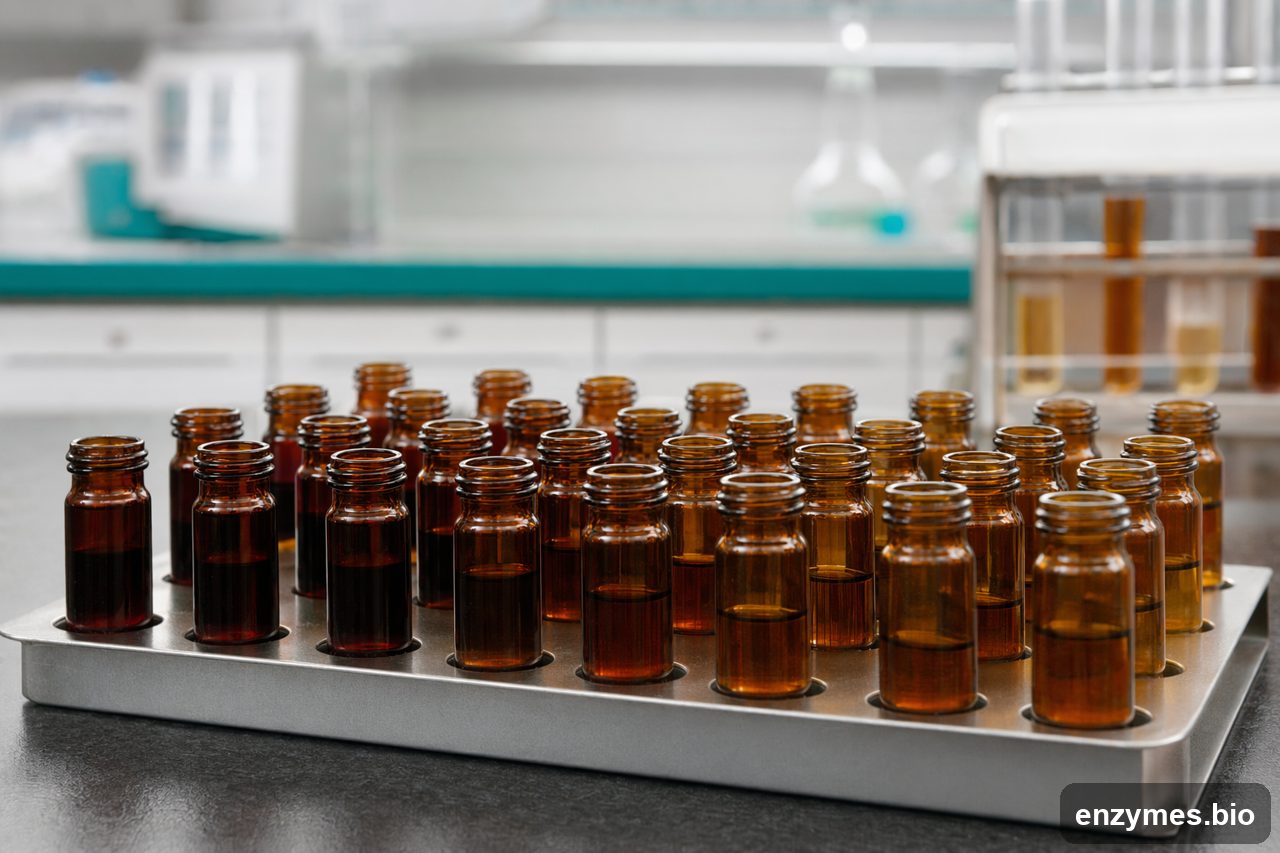
A practical screening program usually includes:
Untreated control sample
Low, medium, and high enzyme treatment levels based on substrate load
Multiple contact times
Sensory comparison for astringency, bitterness, body, and finish
Clarity or sediment observation after holding
Compatibility checks with heat, acid, preservatives, flavors, minerals, and proteins
Pilot-scale confirmation before production adoption
This creates a usable process window instead of a single one-off result.
Tannora application fit
Tannora is built for industrial teams working with tannin-rich liquids, extracts, and ingredients. Our focus is practical process control: reducing harsh tannin perception while preserving product character.
Use tannase when you need a targeted enzymatic step for:
Smoother premium beverages
Cleaner botanical extracts
More consistent tea concentrates
Reduced haze and tannin complexing
Specialty phenolic transformation
Better sensory control before final formulation
Request pricing or application support
Tell us what you are processing, the product format, and the sensory or clarity issue you are trying to solve. We will help identify whether tannase is a strong fit and what information is needed for a practical evaluation.