learn
Tannase FAQ for Industrial Buyers | Tannora
Practical tannase FAQ for beverage, fermentation, extract, and ingredient teams evaluating tannin hydrolysis for clarity, flavor refinement, yield, and process control.
Request pricing Practical tannase FAQ for beverage, fermentation, extract, and ingredient teams evaluating tannin hydrolysis for clarity, flavor refinement, yield, and process control.
Request pricingTannora is built for teams that need tannin control without vague promises. This FAQ answers the questions procurement, R&D, QA, and production teams typically ask before trialing tannase in beverages, plant extracts, fermentation processes, and specialty ingredients.
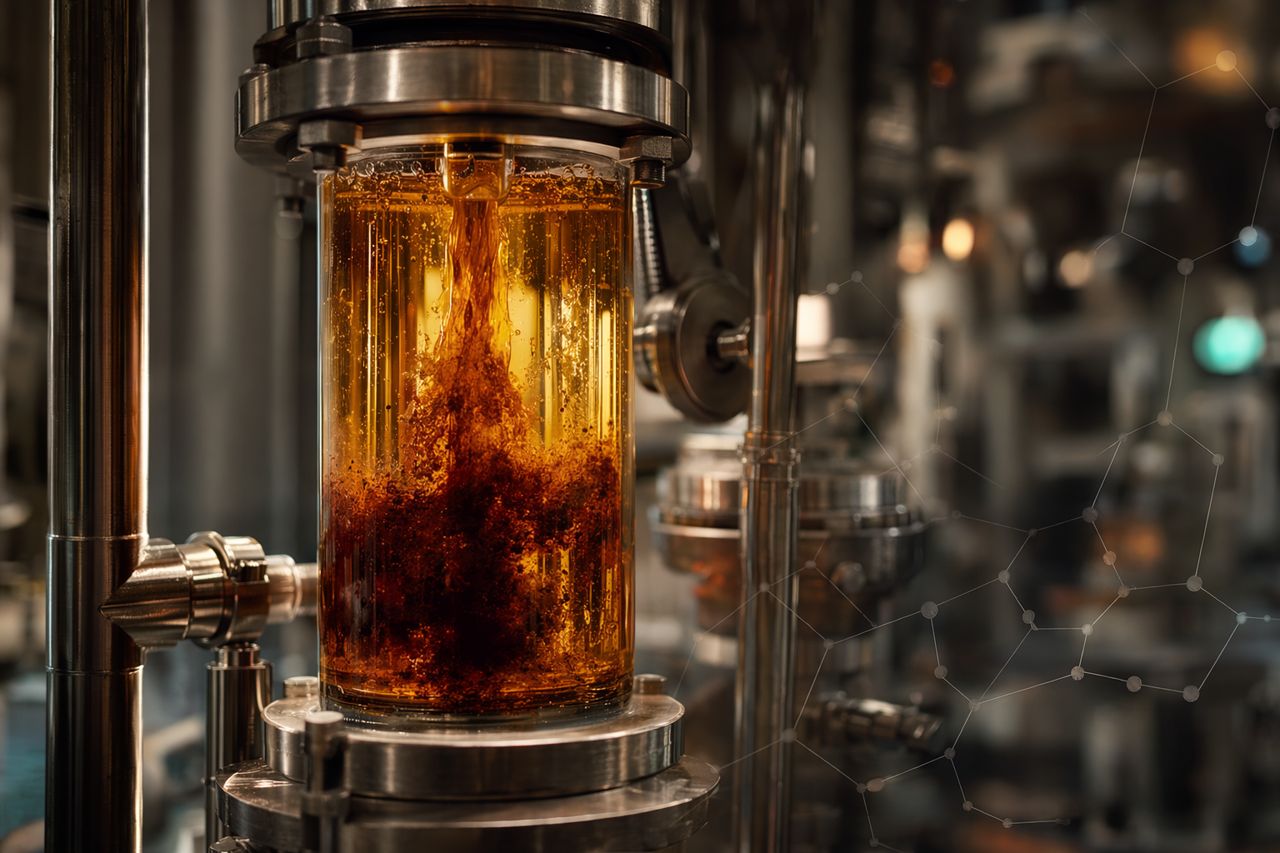
Tannase, properly known as Tannase (Tannin Acyl Hydrolase), hydrolyzes ester and depside bonds in hydrolyzable tannins. In practical terms, it helps transform aggressive tannic load into a more manageable profile: cleaner taste, improved clarity, better extract performance, and more predictable processing.
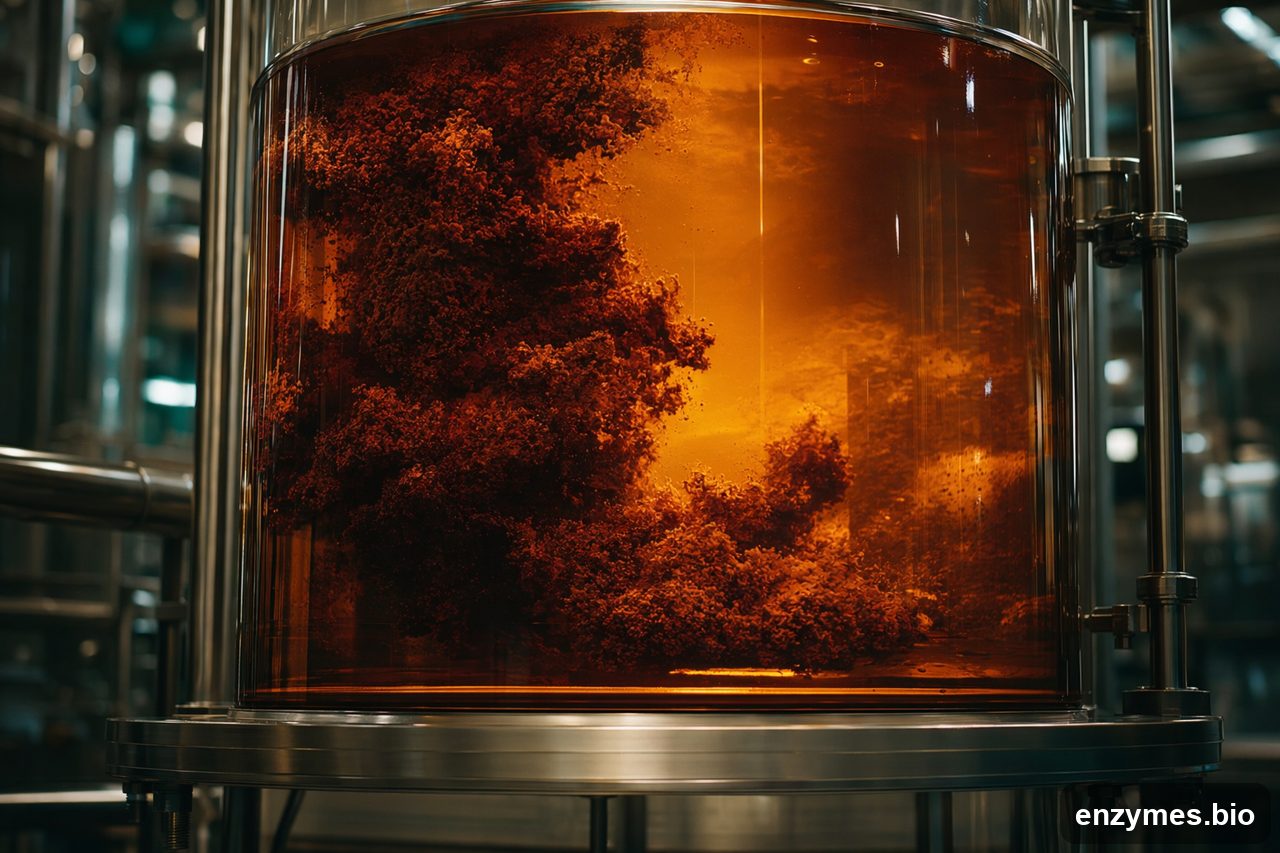
Tannase acts on tannin-rich materials such as tea, coffee, wine-adjacent streams, botanical extracts, fruit-derived substrates, oak-influenced liquids, and certain fermentation feedstocks. It can reduce harsh astringency, support clarification, improve release of gallic acid, and help stabilize products where tannins create haze, bitterness, or processing drag.
It is most useful when your product challenge is not simply “more extraction,” but more controlled extraction.
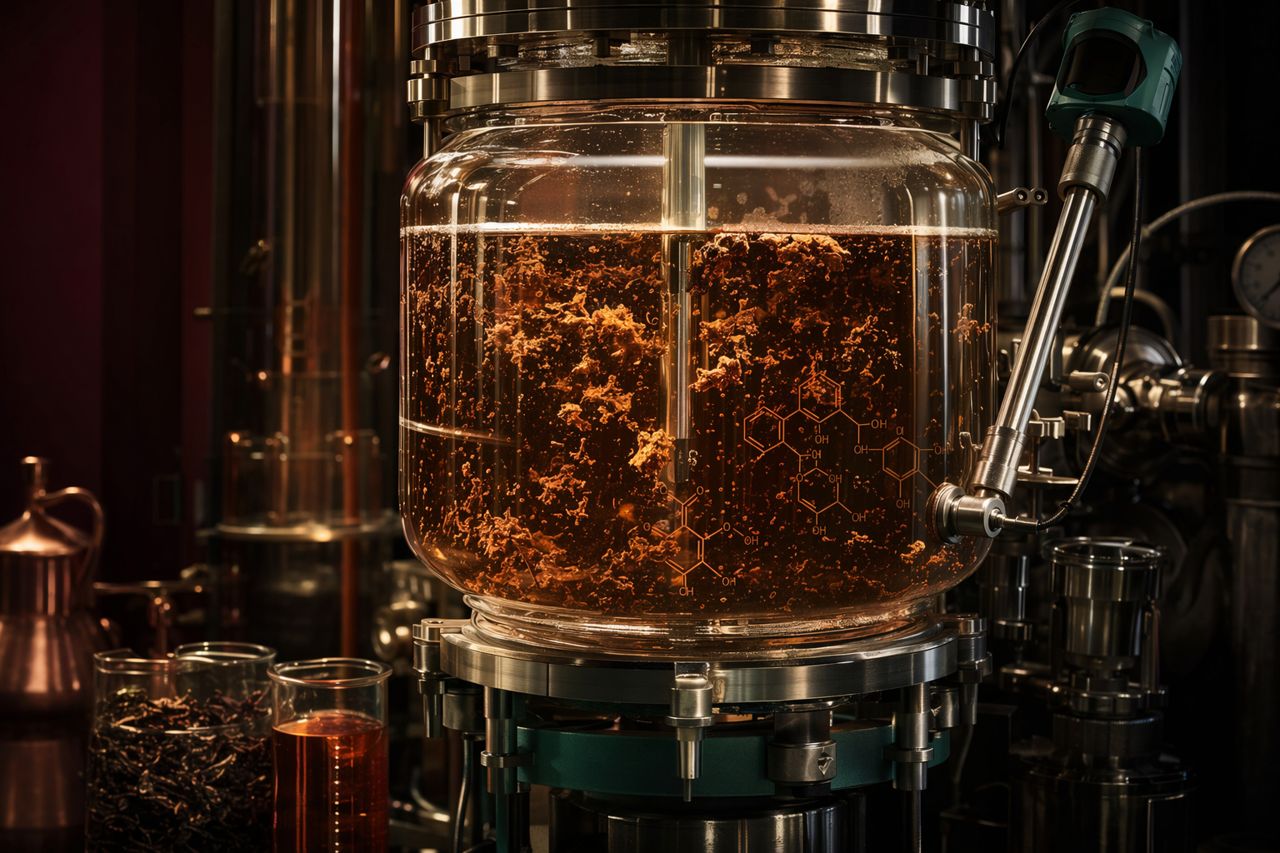
Tannase is an industrial enzyme used to cleave specific chemical linkages in hydrolyzable tannins. The reaction can release gallic acid and related compounds from tannin structures, depending on the substrate. For industrial buyers, the value is not just biochemical; it is operational.
Teams use tannase to:
Tannase is used where tannins affect clarity, color, sediment, mouthfeel, or bitterness. Typical areas include tea-based beverages, coffee extracts, fruit beverages, botanical drinks, fermented beverages, and oak-influenced liquid systems.
The main commercial drivers are cleaner sensory profile, haze control, and better batch-to-batch consistency.
In tea and coffee systems, tannase may help reduce harsh polyphenolic impact and improve cold-water behavior or concentrate performance. It is often considered when extracts are used in ready-to-drink formulations, instant systems, syrups, concentrates, or functional beverages.
For ingredient manufacturers, tannase can be used to adjust extract composition, reduce excessive astringency, and support specialty extract development. It is relevant when hydrolyzable tannins limit taste, solubility, stability, or downstream processing.
Fermentation teams may evaluate tannase when tannins inhibit microbial performance, interfere with nutrient availability, or complicate clarification. The enzyme can be used as a targeted pre-treatment or in-process tool, depending on the organism, substrate, and product target.
Tannase is also used where the objective is selective conversion of tannin-rich feedstocks into gallic-acid-containing streams or related specialty ingredients. In these cases, substrate selection, contact time, and downstream purification strategy are decisive.
Tannase is usually evaluated when one or more of these problems appears in production:
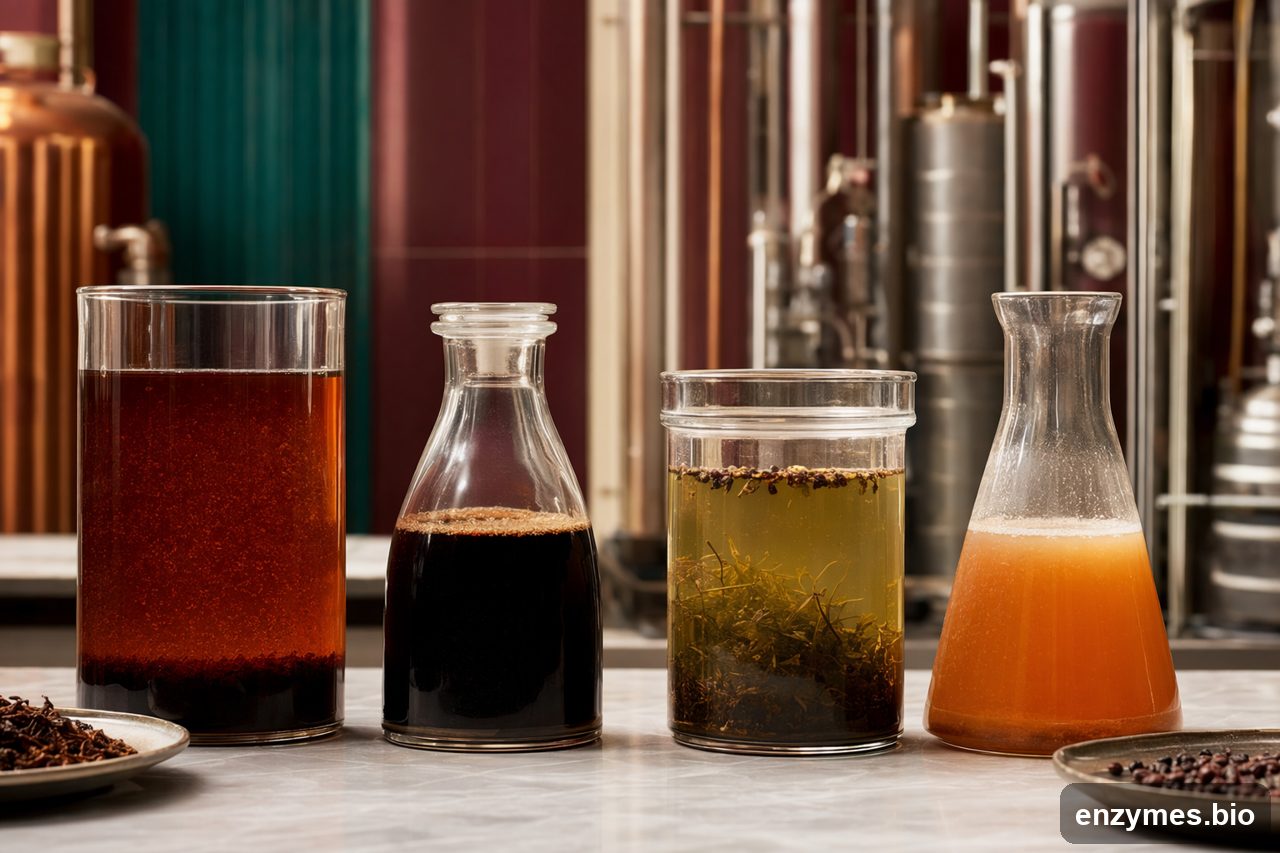
Tannase is best associated with hydrolyzable tannins, especially gallotannins and related ester-linked tannin structures. It is not a universal solution for every phenolic compound.
A proper application screen should look at:
No. Tannase is a precision tool, not a blanket debittering agent. It can reduce tannin-driven harshness and astringency, but bitterness may also come from caffeine, alkaloids, peptides, roasted compounds, citrus limonoids, hops-derived compounds, or other phenolics.
The best evaluation separates three questions:
If all three are true, tannase can be a strong lever for flavor refinement.
Yes, in suitable systems. Tannins can form complexes with proteins, polysaccharides, minerals, and other polyphenols. These complexes may contribute to haze, sediment, ring formation, or poor chill stability.
By modifying hydrolyzable tannin structures, tannase can help reduce the tendency for these complexes to form. Results depend on the matrix. In many beverage workflows, tannase is assessed alongside fining, filtration, centrifugation, membrane performance, and heat stability.
The right addition point depends on the application. Common evaluation points include:
Tannase should be placed where it has access to the target substrate and where the process allows enough reaction time before enzyme inactivation, separation, or final stabilization.
For industrial trials, the most important variables are:
Tannora supports application-led trial design rather than generic dosing logic. The correct treatment window is determined by your matrix, process sequence, and commercial target.
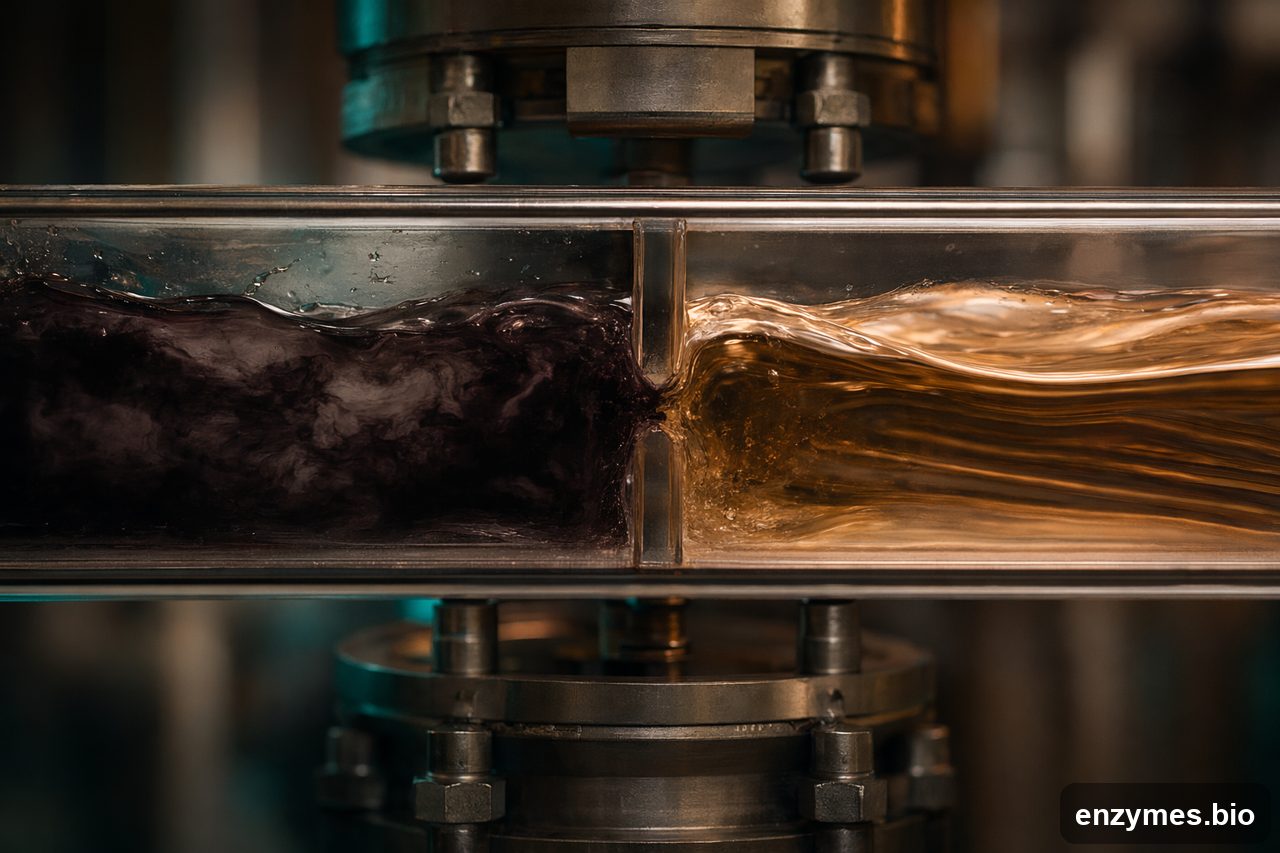
Industrial tannase can be supplied in formats selected for manufacturing fit, handling preference, storage plan, and application environment. Buyers typically compare liquid and dry formats across:
Tannora can advise on format selection after reviewing your application, process flow, and volume expectations.
Often, yes. Tannase may be evaluated with pectinases, cellulases, hemicellulases, proteases, or other processing enzymes, depending on the substrate and objective.
However, compatibility should be tested rather than assumed. Multi-enzyme systems can change viscosity, filtration behavior, color, flavor, and release profile. If tannase is part of a broader extraction or clarification package, trial design should isolate its contribution before combining steps.
It can. Tannins are linked to browning, color stability, oxidation behavior, and complex formation. Tannase treatment may shift color tone, reduce haze-related dullness, or influence how a concentrate behaves during heat exposure and storage.
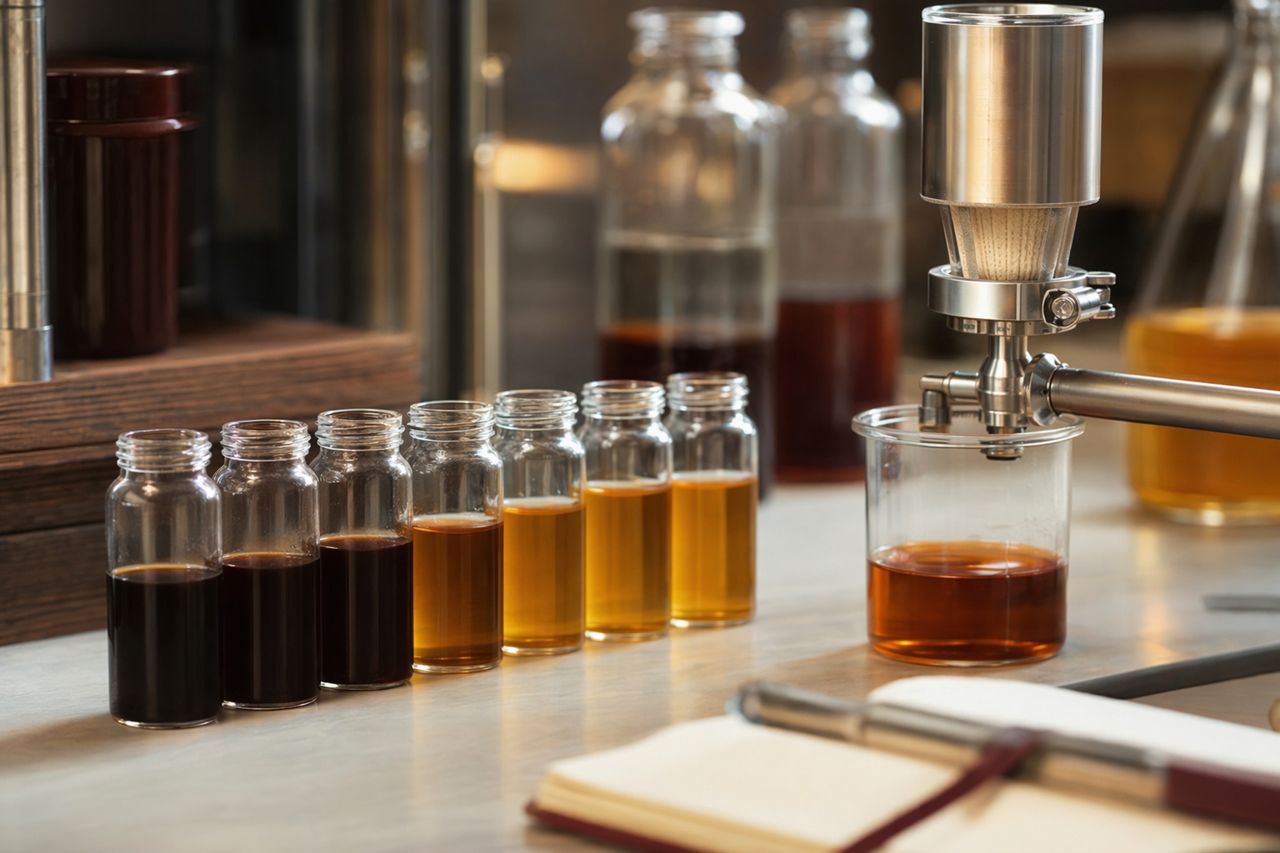
Color should be monitored alongside flavor and clarity. For premium beverage and extract applications, the target is usually not maximum conversion; it is the best balance of brightness, stability, mouthfeel, and identity.
In some applications, yes. Yield improvement may come from better extractability, reduced binding losses, improved filtration, or more efficient recovery of desired phenolic derivatives. The impact is highly matrix-specific.
A meaningful yield trial should track:
A strong pilot is simple, controlled, and tied to a business outcome. Recommended trial structure:
To build a useful recommendation, provide as much of the following as you can:
You do not need a perfect process map to start. A short technical intake is enough to identify whether tannase is likely to be relevant.
The endpoint depends on the process. In many applications, enzyme activity is stopped or minimized through a downstream heat step, pH shift, separation process, drying step, or final stabilization method. The right approach depends on the finished product and regulatory positioning.
For beverages and extracts, inactivation planning should be part of the pilot. It prevents over-processing and helps lock the target flavor, clarity, or composition.
Before purchase or scale-up, QA and procurement teams commonly request:
Documentation requirements vary by application and region. Tannora can align technical and quality documents with your intended use case.
Tannase may be suitable for food or beverage processing when the selected grade, documentation, and use conditions match the regulatory requirements of the target market. Buyers should confirm suitability for their jurisdiction, product category, and labeling strategy before commercial use.
If your application crosses food, supplement, fermentation, or specialty ingredient categories, clarify the regulatory path early.
The most common tannase scale-up issues are avoidable:
A useful comparison goes beyond price per kilogram. Industrial buyers should evaluate:
For tannase, the cheapest input is rarely the best decision if haze, bitterness, filtration loss, or failed batches are the actual cost drivers.
Yes. Tannora can support application screening, trial planning, and scale-up discussion for beverage processors, extract manufacturers, fermentation teams, and ingredient developers. The focus is practical: identify whether tannase can improve your product, where it should enter the process, and how to validate the result.
Tell us what you are processing and what you need tannase to solve. We will respond with a practical next step for specification review, sample discussion, pricing, or a technical trial.
Tannase is most valuable when it is treated as a process-control tool, not a commodity input. If tannins are shaping your flavor, clarity, yield, or extract performance, a structured tannase trial can show whether enzymatic hydrolysis belongs in your process.
Tell us your application and volume — we reply with pricing and lead time.