learn
Tannase Handling and Storage Basics | Tannora
Learn how to receive, store, and stage bulk tannase for stable processing in tea, wine, coffee, extracts, and ingredient production.
Request pricing Learn how to receive, store, and stage bulk tannase for stable processing in tea, wine, coffee, extracts, and ingredient production.
Request pricingBulk tannase is a processing ingredient, not a shelf item. How it is received, stored, sampled, and staged can affect the consistency of tannin conversion, sensory refinement, extract clarity, and batch-to-batch predictability.
Tannora tannase programs are built for B2B manufacturing environments: beverage plants, botanical extract operations, fermentation lines, and ingredient production sites where enzyme handling must fit quality systems, warehouse routines, and production planning.
Tannase, properly known as Tannase (Tannin Acyl Hydrolase), helps hydrolyze tannin structures into more manageable phenolic components. In application, that can support:
Poor storage does not always create an obvious failure on day one. More often, it shows up as drift: slower process response, inconsistent sensory results, unexplained haze behavior, or more corrective work on the line.
Treat receiving as the first quality-control checkpoint.
When a shipment arrives, confirm:
If anything looks unusual, quarantine the material before use. Do not blend questionable product into active inventory while waiting for review.
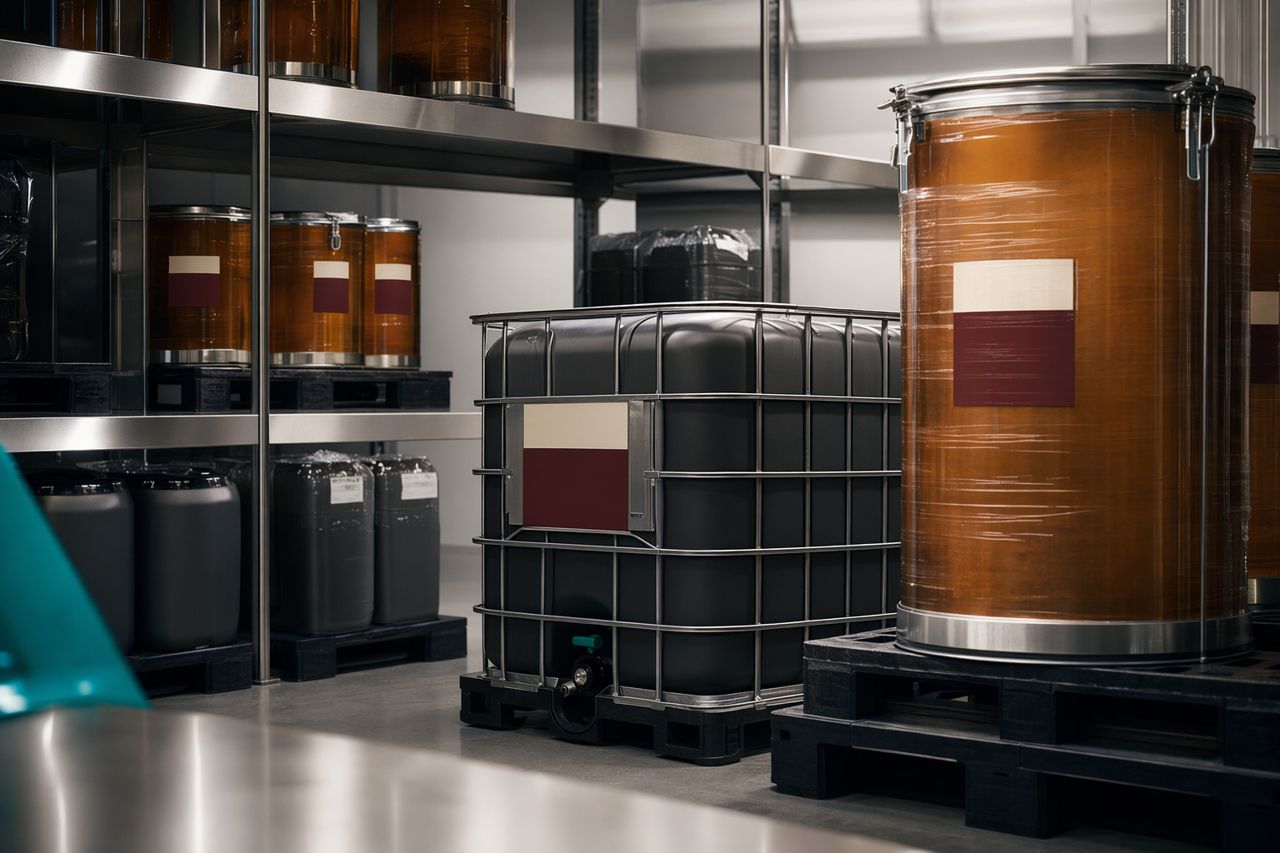
Always follow the storage conditions stated on the product label and technical documentation. As a general operating discipline, tannase should be protected from the conditions that most commonly reduce enzyme reliability: heat, moisture, direct light, contamination, and repeated open-container exposure.
For manufacturing teams, the objective is not just preservation. It is process control.
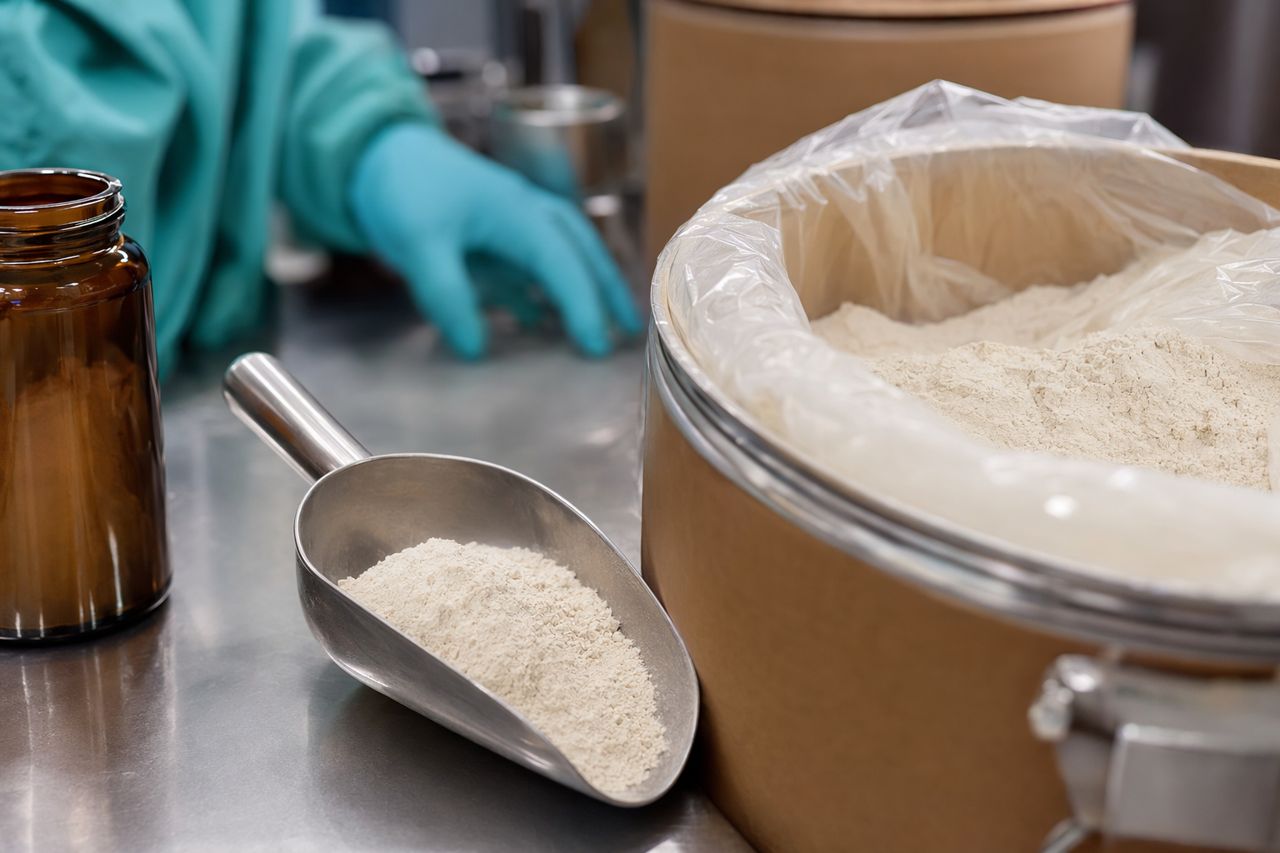
Powder formats need strong moisture discipline. Even brief exposure to humid air during sampling or dispensing can encourage clumping and uneven handling.
Visible clumping, discoloration, unusual odor, or hardened material should trigger internal review before use.
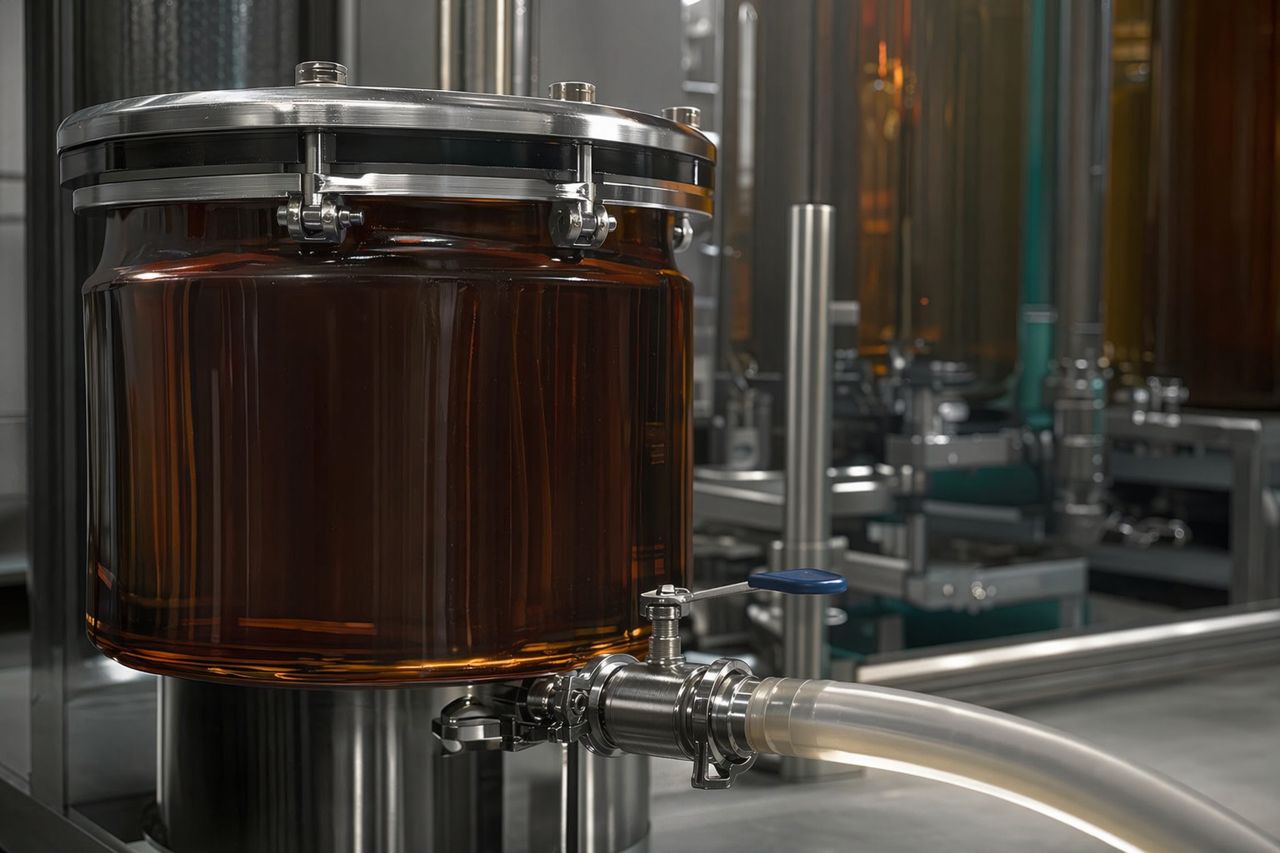
Liquid formats simplify dispersion but require careful hygiene and container control.
If a liquid enzyme shows swelling of packaging, leakage, phase separation beyond normal settling, gas formation, or unusual odor, hold it for technical review.
Staging should be practical and limited. Move only what the batch plan requires, keep the material identified by lot, and return unopened stock to controlled storage promptly.
Recommended staging controls:
Pre-dilution can improve addition accuracy in some processes, but it should be validated for your substrate, hold time, water quality, temperature, and mixing pattern.
Tannase performance is often evaluated through process outcomes: clarity, sensory profile, filtration behavior, extract yield, or phenolic conversion pattern. Those outcomes are only useful if they can be traced back to the material and handling conditions.
Maintain records for:
This is especially important for beverage and extract teams working with seasonal raw materials, where tannin composition may shift significantly between origins or crop years.
Tannase should not be stored or staged near materials that can compromise enzyme performance or create contamination risk.
Avoid exposure to:
The enzyme should be introduced into the process under validated conditions for the intended application. Storage discipline does not replace process validation; it protects the material so validation remains meaningful.
Quarantine and request review if you observe:
Do not attempt to correct questionable enzyme quality by increasing addition level without technical assessment. That approach can mask the issue and create new process variability.
Use this checklist for warehouse, QA, and production alignment:
Tannase delivers its best value when the enzyme is handled with the same discipline as the process it supports. For tea, coffee, wine, botanical extracts, and specialty ingredient systems, controlled receiving and storage help protect clarity, flavor refinement, yield improvement, and predictable tannin conversion.
Planning a bulk tannase program, validating a new beverage or extract process, or tightening storage SOPs? Use the form below to request a quote or ask for application-specific handling guidance from Tannora.
Tell us your application and volume — we reply with pricing and lead time.