learn
Tannase Troubleshooting Guide for Clarity, Flavor, and Yield
Diagnose why tannase treatment is not improving astringency, haze, extraction, or process consistency in beverages, fermentation, and botanical extracts.
Request pricing Diagnose why tannase treatment is not improving astringency, haze, extraction, or process consistency in beverages, fermentation, and botanical extracts.
Request pricingWhen tannase treatment falls short, the cause is usually not a single failure point. Tannin structure, matrix solids, pH, temperature, contact time, addition order, and downstream separation all shape the result.
This guide is written for teams troubleshooting Tannase (Tannin Acyl Hydrolase) in tea, wine, cider, coffee, cocoa, botanical extracts, fermentation broths, and specialty ingredient systems.
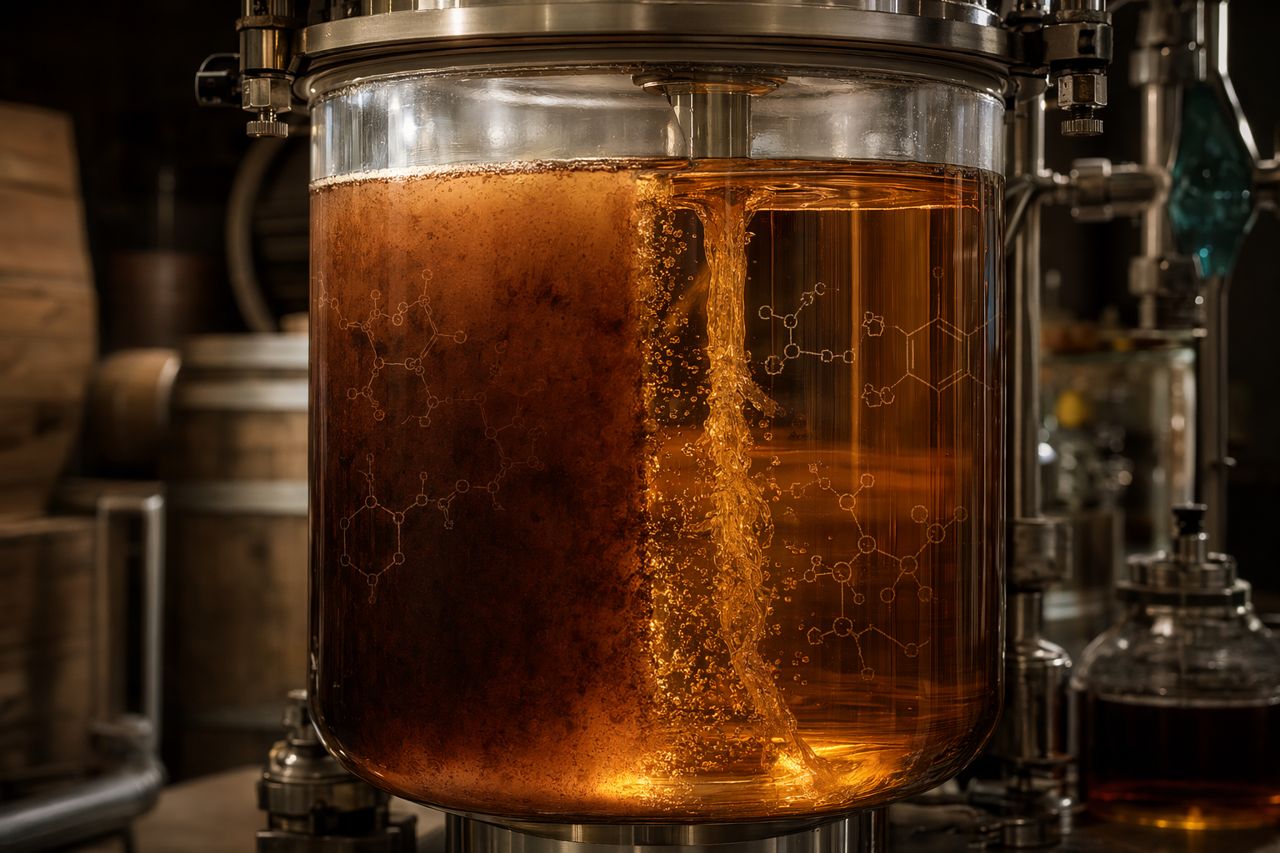
Tannora’s position is simple: treat tannase as a process tool, not a black-box additive. The best outcomes come from controlled exposure, clean comparisons, and a matrix-specific read on what the enzyme is actually being asked to change.
A well-matched tannase process can support:
If none of these are improving, move through the troubleshooting sequence below before changing grade, dose, or production design.
| Symptom | Likely process cause | Corrective action |
|---|---|---|
| Astringency remains high | Tannins are highly polymerized, poorly accessible, or insufficiently contacted | Improve mixing, extend controlled contact, pre-disperse high-solids matrices, and compare against an untreated control |
| Bitterness improves but haze remains | Haze may be protein-, pectin-, starch-, or mineral-driven rather than tannin-driven | Run a clarification screen and confirm whether tannase is the right primary tool or part of a blend strategy |
| Haze improves during treatment but returns later | Tannin-protein or polyphenol complexes may be reforming during cooling, concentration, or storage | Review cooling rate, holding conditions, filtration timing, and stabilizer compatibility |
| Flavor becomes too thin or flat | Contact time, temperature exposure, or treatment intensity may be too aggressive for the matrix | Reduce treatment intensity and monitor sensory at staged intervals |
| Color shifts unexpectedly | Tannin modification may be changing pigment-polyphenol balance, especially in wine, cider, berry, or botanical systems | Evaluate color stability alongside astringency; avoid optimizing on turbidity alone |
| Little change in high-solids extract | Viscosity, particle loading, or poor aqueous access may be limiting enzyme-substrate contact | Improve dilution strategy, agitation, pre-filtration, or staged addition |
| Batch-to-batch performance varies | Raw material tannin profile is changing, even if the process recipe is constant | Add incoming-material checks for phenolic load, solids, pH, and prior heat history |
Tannase is powerful when tannins are the operational problem. It is not a universal clarifier.
Before changing the enzyme plan, confirm whether the defect is driven by tannins or by another system component:
If the haze mechanism is mixed, tannase may still be useful, but it should be positioned inside a broader clarification plan.
Tannase performance depends on access. Dense matrices can shield the target tannins even when the enzyme itself is suitable.
Review:
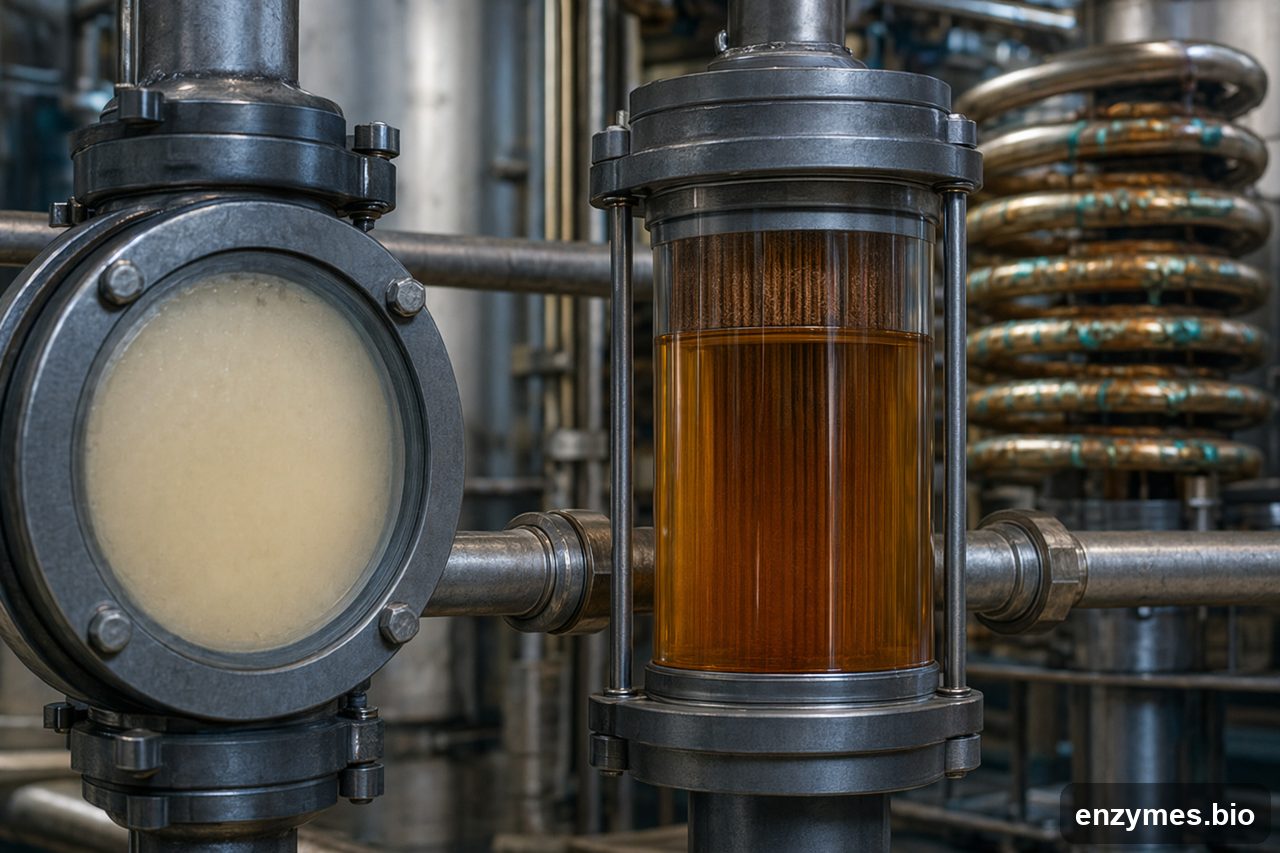
A common failure mode: the process has enough tannase on paper, but the enzyme is not reaching the tannin sites that matter.
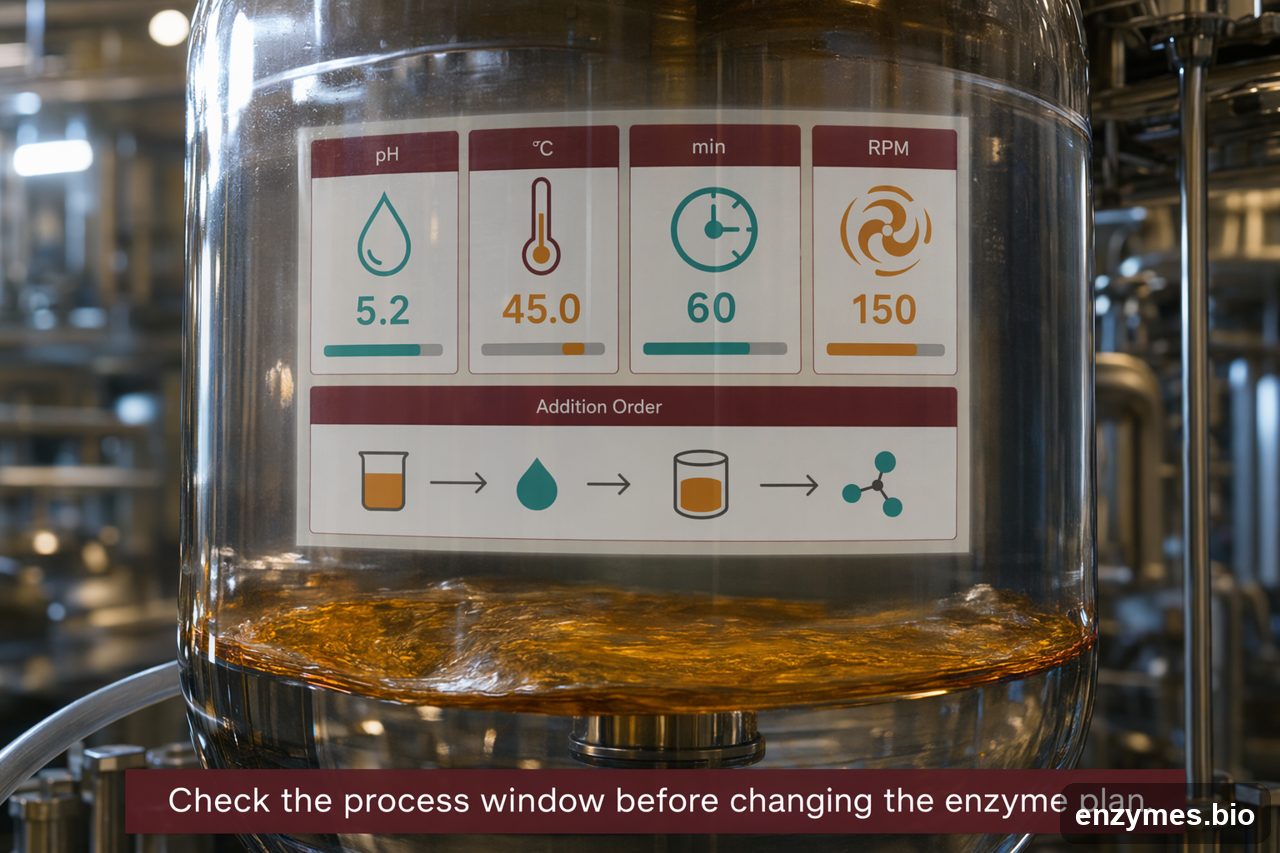
If treatment is weak or inconsistent, confirm the practical operating window for the specific tannase grade being used.
Focus on:
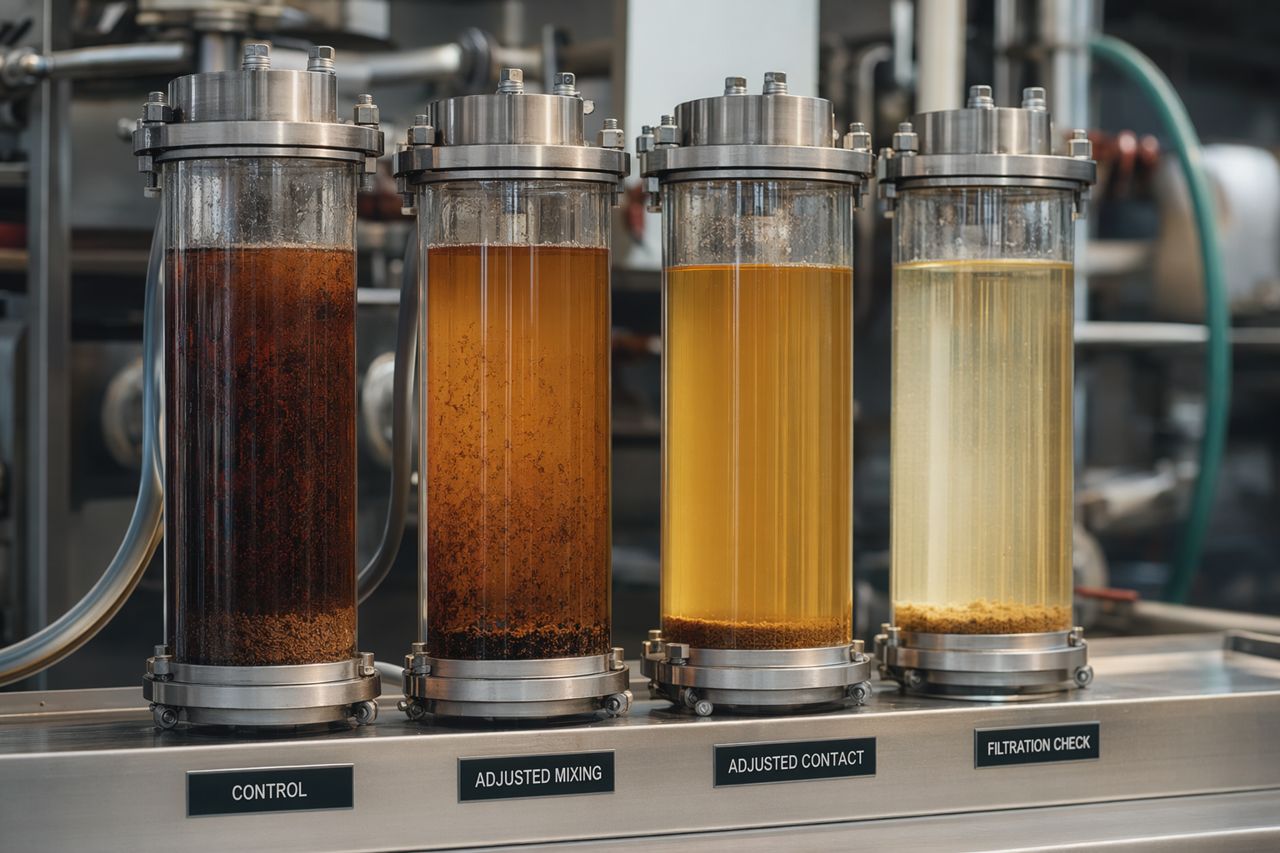
Change one variable at a time. Otherwise, a successful correction becomes difficult to reproduce at scale.
Every troubleshooting run should include a control. Without it, raw material variation can be mistaken for enzyme performance.
Track:
The goal is not just to prove that tannase worked. The goal is to identify the treatment condition that produces the best commercial outcome.
In tea systems, tannase is often used to reduce creaming, soften bitterness, and improve cold clarity. If results are weak, check whether the issue is driven by tea solids, cooling profile, sugar or acid addition, or post-treatment storage.
Practical checks:
Tannase can help manage astringency and phenolic structure, but color and mouthfeel must be protected.
Practical checks:
Roasted matrices can contain complex phenolics, oils, and insoluble solids that limit access.
Practical checks:
Plant extracts often contain tannins alongside pectin, proteins, fibers, resins, pigments, and minerals. Tannase may improve extract smoothness and release gallic acid-rich profiles, but it may not resolve every separation issue alone.
Practical checks:
In fermentation, tannase can be used to modify tannin-rich substrates, support phenolic conversion, or improve downstream processing. Underperformance may be tied to timing, microbial activity, solids, or post-fermentation separation.
Practical checks:
If tannase improves taste but not clarity, or improves clarity but not filtration, the system may need a broader enzyme plan.
Common companion considerations include:
The decision should be made from matrix evidence, not from a generic blend assumption.
To specify the right tannase option, collect the following:
This information makes the quoting process faster and prevents over-specifying an enzyme that does not match the operating reality.
Need a tannase grade matched to your process rather than a generic recommendation? Send the matrix details and target outcome. Tannora will review the application context and respond with practical grade and pricing guidance.
Tannase troubleshooting is a process-control exercise. Start with the matrix, confirm that tannins are the right target, protect the operating window, and evaluate the result with both sensory and separation data. When those pieces align, tannase becomes a precise tool for cleaner flavor, better clarity, and more controlled extract performance.
Tell us your application and volume — we reply with pricing and lead time.