Tannase vs Beverage Enzymes: When to Use Tannin Acyl Hydrolase
Compare tannase with pectinase, amylase, protease, beta-glucanase, and other beverage enzymes. Learn where tannase fits for clarity, astringency control, flavor refinement, and extract performance.
Tannase vs Other Enzymes Used in Beverage Processing
Beverage enzyme selection is not a generic choice. A pectin problem, a starch problem, a protein problem, and a tannin problem each require a different tool.
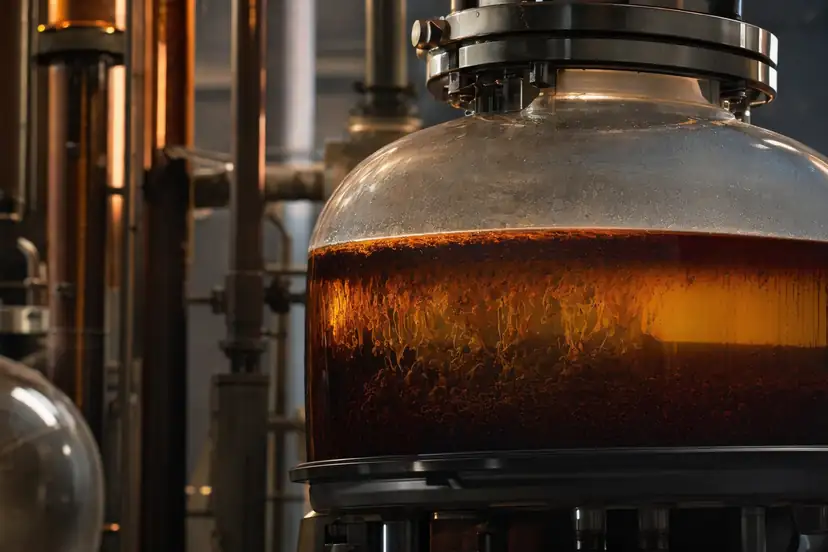
Tannase (Tannin Acyl Hydrolase) is the enzyme class used when the limiting factor is tannin chemistry: astringency, tea cream, polyphenol haze, extract roughness, or controlled release of gallic acid from hydrolysable tannins. It does not replace the full beverage enzyme toolbox. It gives formulation scientists and processors a precise option when polyphenols are the variable that needs control.
The short answer
Use tannase when the process target is one or more of the following:
Reduced harsh astringency from tannin-rich raw materials
Improved clarity in tea, botanical, juice, wine-adjacent, and extract systems
Lower tendency toward tea cream or polyphenol-driven haze
Smoother flavor profile without relying only on dilution, masking, or filtration
More controlled conversion of hydrolysable tannins into smaller phenolic components
Specialty extract performance where tannin load affects solubility, taste, or downstream formulation
Use other beverage enzymes when the dominant issue is pectin, starch, protein, glucan, lactose, or oxygen management.
The key distinction: tannase is not a general clarification enzyme. It is a tannin-management enzyme.
What tannase actually does in beverage systems
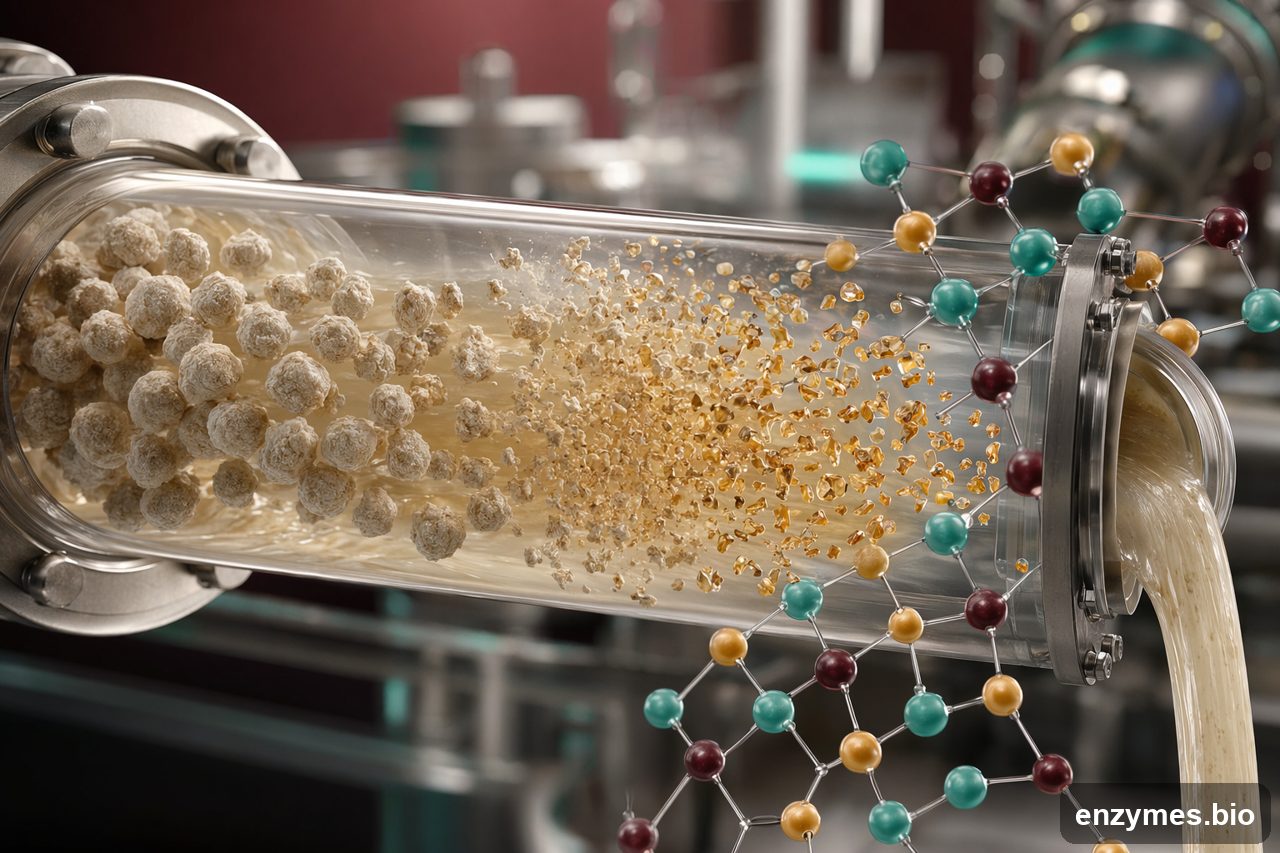
Tannase catalyzes the hydrolysis of ester bonds found in certain tannins, especially hydrolysable tannins such as gallotannins. In practical terms, this can shift how tannins behave in the finished product:
Large, interaction-prone tannin structures can be converted into smaller phenolic components.
Astringency can soften because tannin-protein interactions are altered.
Clouding behavior can change, especially in tea and botanical systems where polyphenols complex with caffeine, proteins, or other solids.
Extracts can become easier to formulate when tannin load is limiting taste, solubility, or visual stability.
This is why tannase is often evaluated in tea, instant tea, botanical extracts, fruit and plant beverages, wine-adjacent processing, coffee and cocoa extracts, and functional ingredient systems where polyphenols are commercially important but difficult to control.
Tannase vs pectinase: clarity from different causes
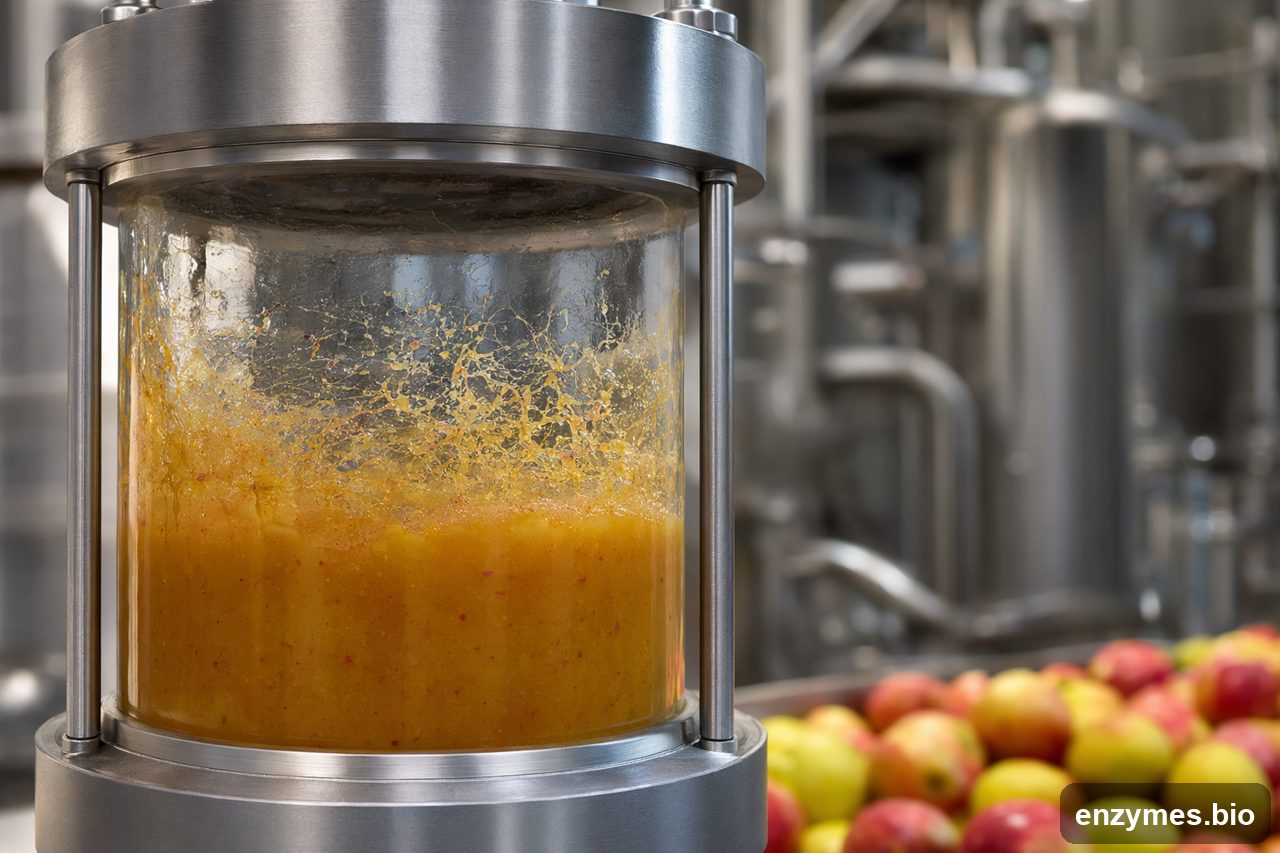
Pectinase is one of the most familiar beverage enzymes because it improves pressability, viscosity, juice yield, and clarification in fruit systems. It works on pectin, a structural polysaccharide.
Tannase works on tannin chemistry.
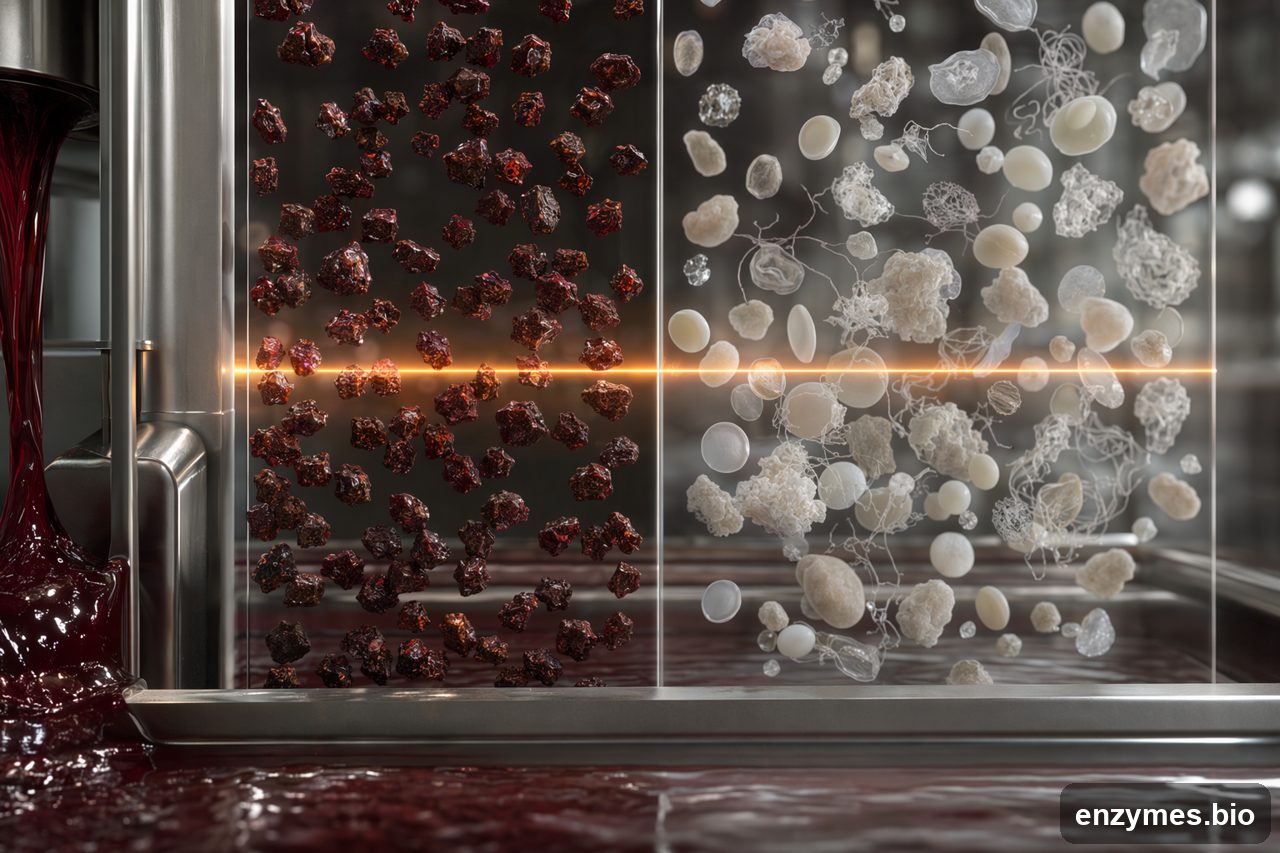
A beverage can be hazy because of pectin. It can also be hazy because polyphenols interact with proteins, caffeine, minerals, or other colloids. These problems can look similar in a glass but respond differently in process.
Use pectinase when:
Fruit mash is thick or difficult to press
Juice yield is constrained by pulp structure
Pectin haze is the main clarity issue
Filtration load is driven by plant polysaccharides
Use tannase when:
Astringency is excessive even after normal clarification
Tea cream or tannin-related haze is persistent
Polyphenol load affects flavor, color, or solubility
A botanical extract tastes rough, drying, or metallic
Use both when: fruit or botanical processing requires better extraction and a cleaner phenolic profile. Pectinase can open the matrix; tannase can refine the tannin fraction.
Tannase vs protease: polyphenol haze is not protein haze
Proteases reduce proteins into smaller peptides and amino acids. In beverage applications, they may be used to manage protein haze, influence mouthfeel, or support fermentation nutrition.
Tannase does not digest protein. It changes the tannin side of the interaction.
This matters because many haze and astringency issues are caused by protein-polyphenol complexes. A protease-first approach changes the protein fraction. A tannase-first approach changes the tannin fraction. The better choice depends on product identity and sensory goals.
For premium beverages, tannase can be attractive when the goal is to reduce harshness without broadly degrading proteins that contribute body, foam, or mouthfeel.
Tannase vs amylase and beta-glucanase: not a carbohydrate tool
Amylase and beta-glucanase are workhorse enzymes in grain, malt, cereal, and brewing-related streams.
Amylase converts starch into smaller carbohydrates.
Beta-glucanase reduces beta-glucan-related viscosity and filtration drag.
These enzymes can improve yield and processability, but they do not directly resolve tannic bite, tea cream, or phenolic harshness.
If a grain-based or botanical beverage has both viscosity and astringency problems, carbohydrate enzymes may improve throughput while tannase addresses the sensory and phenolic layer.
Where tannase creates the most value
Tea and instant tea
Tea is one of the clearest application areas for tannase. Polyphenols are central to tea identity, but they also drive cream formation, turbidity, and dry astringency. Tannase can help processors build cleaner, more soluble tea bases for ready-to-drink, powdered, or concentrated formats.
Practical evaluation points:
Hot-fill or cold-fill format
Desired body and bitterness level
Cloud point behavior after cooling
Compatibility with sweeteners, acids, minerals, and flavors
Heat step placement after treatment
Botanical and functional extracts
Many botanicals contain meaningful tannin loads. That can be positive for positioning but difficult for taste and solubility. Tannase can help refine extracts intended for beverages, syrups, shots, powders, and liquid concentrates.
Useful targets include:
Reduced drying sensation
Improved dispersibility in finished formulations
Less sediment or ring formation
Cleaner taste in low-sugar systems
Better integration with citrus, berry, tea, cocoa, or spice notes
Fruit, juice, and wine-adjacent processing
Tannase may support phenolic control in tannin-bearing fruit systems, especially where peel, seed, stem, or botanical solids contribute roughness. It is not a substitute for winemaking style decisions, fining, or maturation strategy, but it can be part of a controlled phenolic management program.
Evaluation should focus on sensory direction, color stability, turbidity, filtration behavior, and regulatory fit for the intended market.
Coffee, cocoa, and specialty plant bases
In coffee, cocoa, and roasted or fermented plant extracts, tannins can interact with bitterness, acidity, and perceived dryness. Tannase can be explored where the product brief calls for smoother taste while preserving origin character and color depth.
Selection guide: when tannase belongs in the trial plan
Bring tannase into screening when your team sees one of these patterns:
Astringency remains after filtration. The beverage is visually acceptable but still tastes dry, rough, or gripping.
Clouding appears after cooling. The product clarifies hot but develops haze, cream, or sediment later.
Masking is not enough. Sweeteners, acids, or flavors cover the issue but do not solve the underlying phenolic behavior.
The raw material is tannin-rich by design. Tea, oak, grape, pomegranate, gallnut-derived extracts, botanicals, cocoa, and certain plant proteins all warrant tannin-aware development.
What tannase will not do
A precise enzyme is valuable partly because it has boundaries.
Tannase will not:
Break down pectin like a pectinase
Convert starch like an amylase
Digest proteins like a protease
Replace filtration, pasteurization, or hygienic process control
Guarantee clarity if haze is caused by minerals, gums, emulsions, microbial instability, or packaging interaction
Automatically improve every tannin-rich beverage; style, dose, contact time, and raw material chemistry matter
The best tannase programs begin with a defined problem statement: what is the tannin-related defect, and what finished-product attribute should improve?
Practical process considerations
For B2B development, tannase screening should be built around the real beverage matrix, not only a model solution. Important variables include:
Raw material tannin type and extraction method
Treatment stage: extraction, holding tank, concentration, or pre-final blend
pH and temperature of the actual process window
Contact time before heat inactivation or downstream stabilization
Solids load and mixing efficiency
Interaction with pectinase, cellulase, protease, fining agents, or filtration aids
Impact on color, aroma, mouthfeel, bitterness, and sediment over shelf-life
A good pilot compares tannase against the current process, not against an idealized lab sample. Measure what matters commercially: clarity stability, sensory acceptance, filterability, concentration behavior, and finished-product consistency.
Typical pairing strategies
Tannase + pectinase
Common in fruit, tea-fruit, and botanical matrices where both plant structure and polyphenol behavior matter. Pectinase supports juice release and viscosity reduction; tannase refines the tannin fraction.
Tannase + cellulase or hemicellulase
Useful when extraction from plant solids is limiting yield, but higher extraction also brings more tannin. Cell-wall enzymes can increase release; tannase can help keep the resulting extract cleaner and less aggressive.
Tannase + filtration or stabilization
Tannase can reduce the tendency of certain tannins to form haze or sediment, while filtration and stabilization remove remaining insoluble material. The goal is not to eliminate downstream operations but to make them more predictable.
Tannase + flavor architecture
When tannase softens excessive dryness, flavor systems can be built with less masking pressure. This can be especially valuable in low-sugar, premium, botanical, and functional beverages.
Buyer checklist for tannase specification discussions
Before requesting a quote or pilot sample, prepare the details that influence fit:
Beverage or extract type
Raw material source and tannin-rich components
Current process flow and intended enzyme addition point
Desired label, market, and regulatory requirements
Packaging format and shelf-life expectations
Sensory benchmark or competitor reference, if available
This information helps define whether tannase should be screened alone, paired with other enzymes, or held for a later optimization stage.
Tannora view
Tannase earns its place when tannins are not just present but operationally important. In the right matrix, it can sharpen clarity control, reduce phenolic roughness, improve extract usability, and give development teams another lever beyond dilution, masking, fining, or heavy filtration.
It is not the broadest beverage enzyme. It is the more specific one. That specificity is the point.
Request pricing or discuss a pilot
If you are comparing tannase with other beverage enzymes, Tannora can help frame a practical screening plan around your product matrix, process window, and commercial target.
Prefer a short technical exchange first? Use the same form and write get pricing and pilot guidance in the message field.