Tannase for Tannin-Rich Raw Materials | Processing Guide
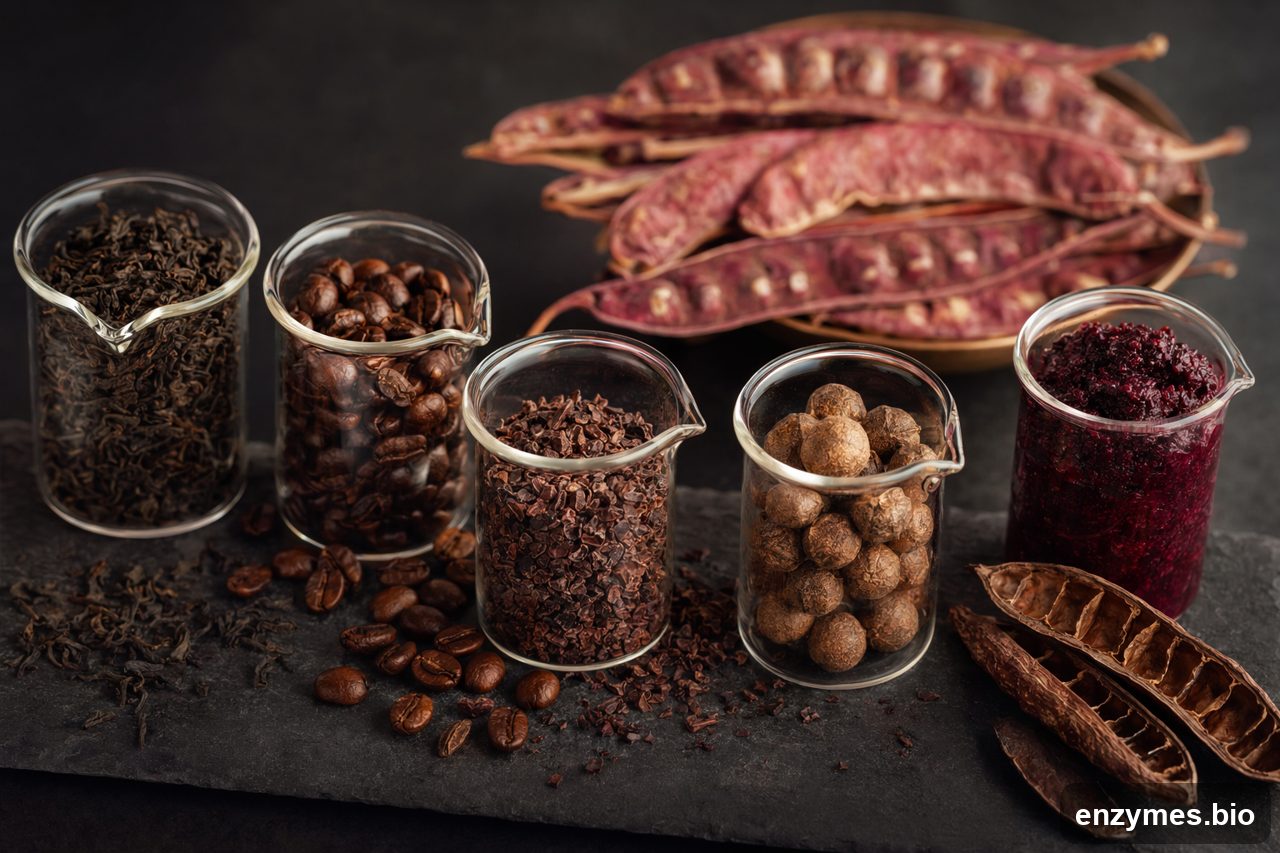
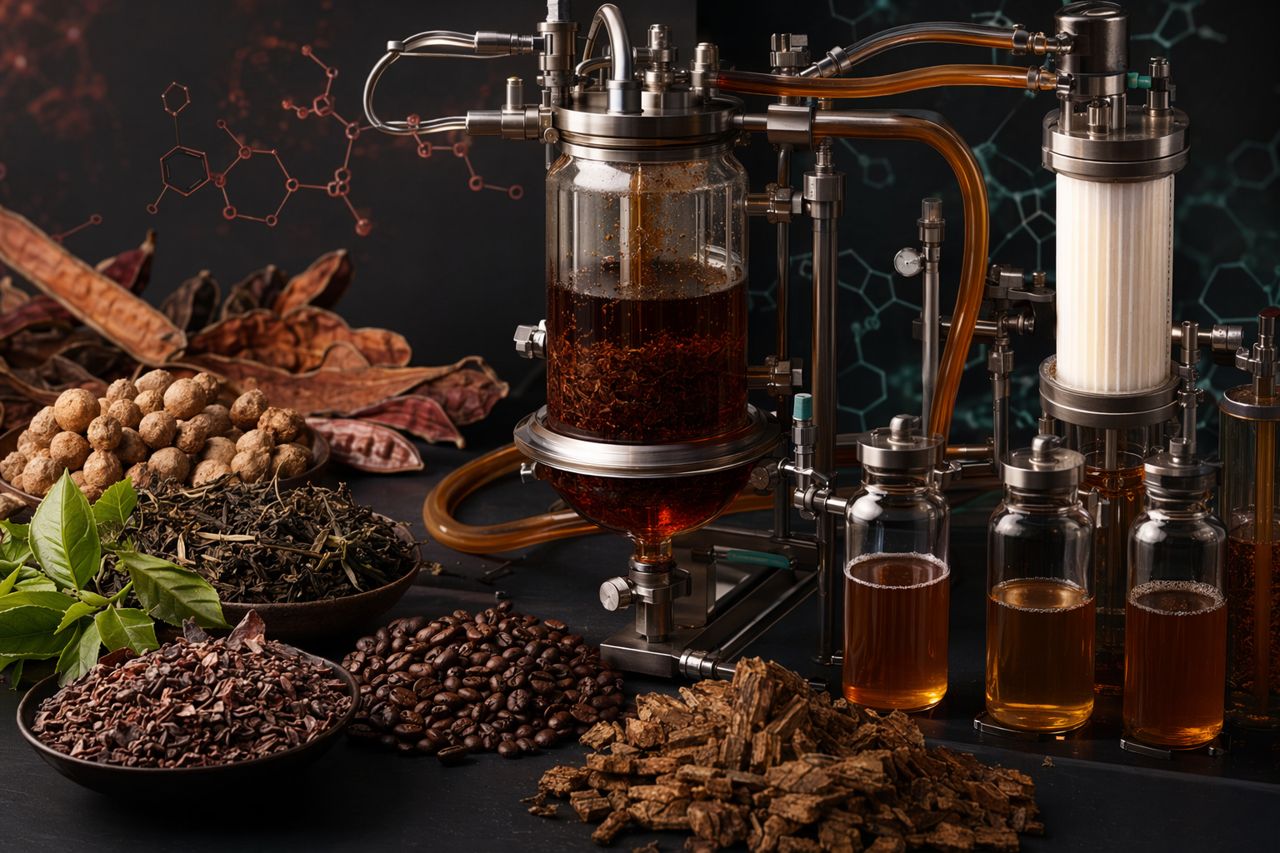
A practical guide to tannin-rich raw materials that may benefit from tannase treatment, including tea, wine, coffee, cocoa, botanical extracts, gallnut-derived ingredients, and fermentation substrates.
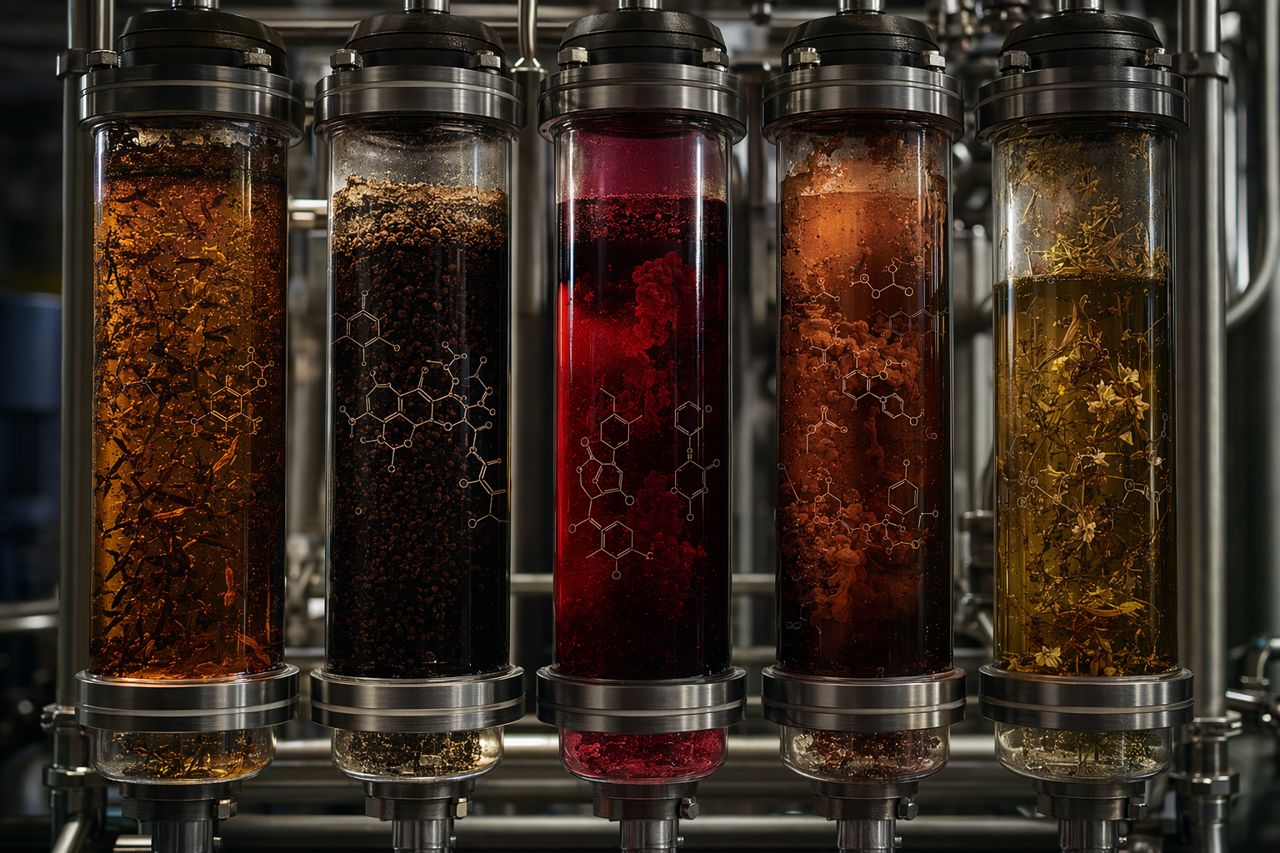
Tannin-rich materials can deliver structure, antioxidant value, color depth, and premium sensory cues. They can also bring haze, astringency, bitterness, extraction losses, precipitation, and batch-to-batch variability.
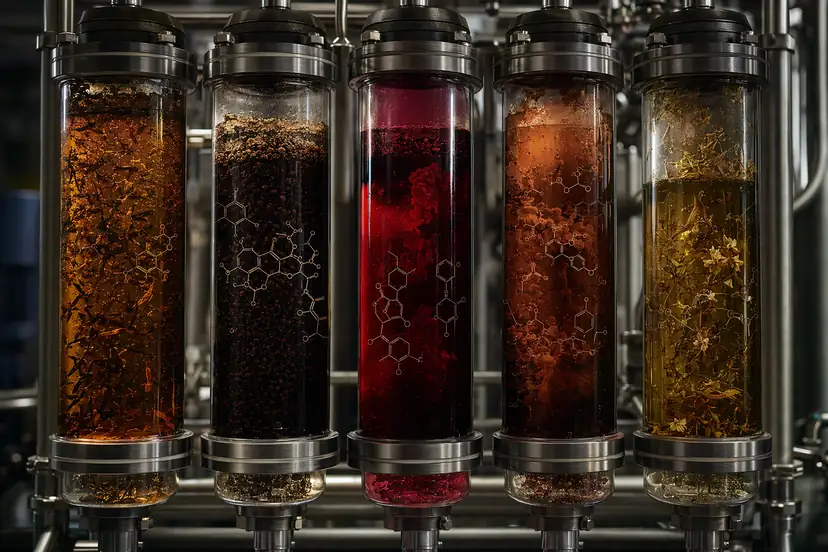
Tannase, properly known as Tannase (Tannin Acyl Hydrolase), is used to selectively hydrolyze ester bonds in hydrolyzable tannins and related galloylated compounds. In practical processing terms, tannase can help convert harsh, complex tannin behavior into cleaner flavor, improved clarity, better extract performance, and more predictable downstream handling.
For formulation scientists, beverage processors, fermentation teams, and ingredient manufacturers, the question is not simply whether a material contains tannins. The better question is: are those tannins limiting clarity, taste, yield, stability, or value?
Where tannase is most relevant
Tannase is typically considered when a raw material contains meaningful levels of gallotannins, ellagitannins, galloylated catechins, or tannin-associated polyphenol structures that interfere with product quality or process efficiency.
Common application areas include:
Tea and tea extracts
Wine, cider, and fruit beverages
Coffee and coffee extracts
Cocoa and botanical extracts
Gallnut, tara, sumac, and other tannin-bearing botanicals
Plant protein, fiber, and specialty extract systems where tannin interaction affects taste or solubility
Tannase is not a universal “debittering” shortcut. It is a precision processing tool for materials where tannin chemistry is a measurable driver of the problem.
What tannase does in tannin-rich systems
Tannase hydrolyzes ester linkages in tannin structures, releasing smaller phenolic components such as gallic acid from galloylated substrates. This shift can change how polyphenols interact with proteins, polysaccharides, minerals, color bodies, and each other.
Depending on the matrix, tannase treatment may support:
Reduced astringency by modifying tannin structures that bind strongly to salivary or product proteins
Cleaner bitterness profile in beverages and extracts where galloylated phenolics dominate harshness
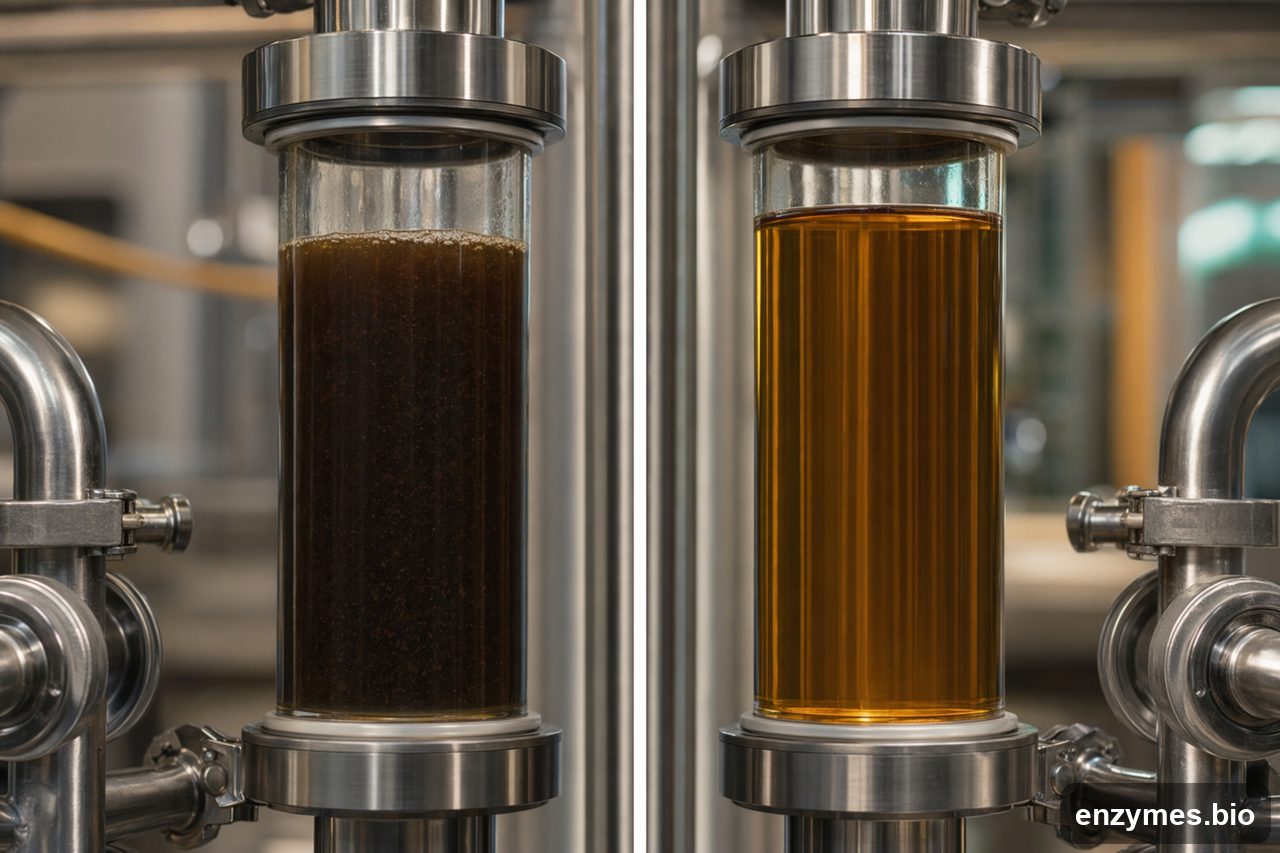
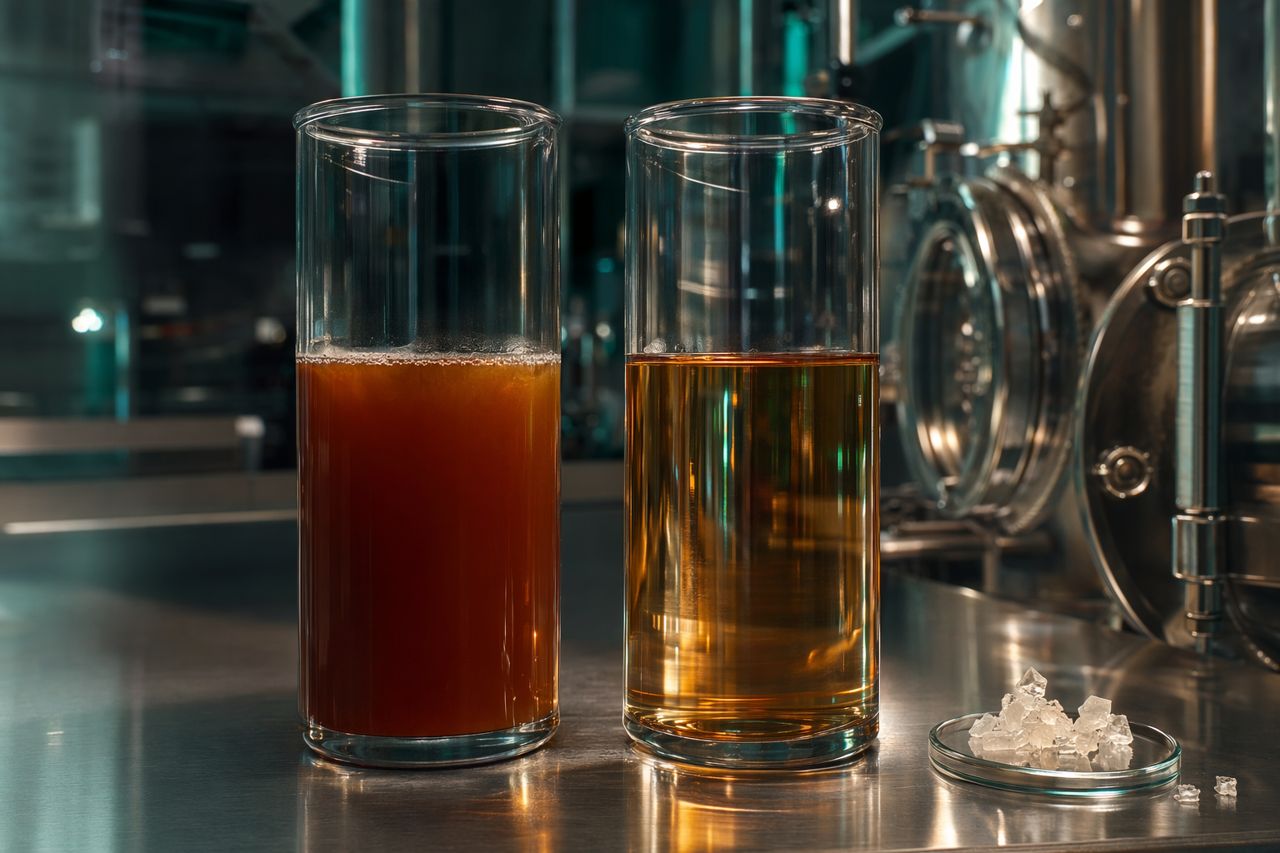
Improved clarity by reducing haze-forming polyphenol interactions
Better filtration and separation through lower colloidal load and fewer insoluble complexes
Higher extract usability when tannins limit concentration, blending, or solubility
More controlled fermentation behavior where tannins inhibit microbes or bind nutrients
Specialty phenolic development including gallic-acid-rich ingredient positioning
The exact result depends on raw material type, extraction conditions, pH, temperature, contact time, solids content, and the product’s final sensory target.
Raw materials that may benefit from tannase treatment
Tea leaves and tea extracts
Tea is one of the most common tannase-relevant systems because it contains complex polyphenols, including galloylated catechins that influence astringency, clouding, and color behavior.
Tannase may be evaluated for:
Ready-to-drink tea clarity
Instant tea extract solubility
Reduced cream formation during cooling
Softer mouthfeel in black, green, and oolong tea products
Improved extract concentration and reconstitution performance
More refined bitterness in premium tea concentrates
In tea processing, the value is often found in the balance: keeping tea identity and body while reducing harsh edges and instability.
Wine, cider, and fruit beverage materials
Tannins are central to wine and fruit beverage structure, but excessive or poorly integrated tannins can create roughness, haze, sediment, and difficult fining behavior.
Tannase may be relevant in:
High-tannin fruit bases
Press fractions with elevated phenolic load
Oak-influenced beverage systems
Cider and berry fermentations
Botanical wine-style beverages
Dealcoholized or low-alcohol formats where astringency can become more exposed
The objective is not to strip character. It is to manage tannin expression so the finished beverage reads as structured rather than coarse.
Coffee and coffee extracts
Coffee contains chlorogenic compounds, tannin-like polyphenols, and complex extractives that affect bitterness, color, precipitation, and drying performance.
Tannase can be explored in coffee systems where the target is:
Cleaner cold brew profiles
Reduced harshness in concentrated extracts
Improved stability in ready-to-drink formats
Better behavior in dairy or plant-based coffee beverages
More consistent extract performance during concentration or drying
Because coffee flavor is highly matrix-dependent, tannase trials should be paired with sensory review and physical stability testing.
Cocoa, cacao, and chocolate-adjacent extracts
Cocoa materials contain polyphenols that contribute to desirable depth but can also bring aggressive astringency and processing friction.
Potential tannase use cases include:
Cocoa extracts for beverages
Functional cacao ingredients
Bitter cocoa fractions
Plant-based chocolate beverage systems
Specialty antioxidant extracts where flavor softness matters
The goal is often to improve drinkability or blend compatibility without flattening the cocoa signature.
Gallnut, tara, sumac, and high-tannin botanicals
Some botanicals are naturally rich in hydrolyzable tannins and are used in extracts, technical ingredients, food applications, nutraceutical concepts, and fermentation processes.
Tannase can support:
Controlled hydrolysis of gallotannin-rich extracts
Gallic-acid-forward ingredient development
Lower astringency in botanical concentrates
Improved solubility and handling of dense tannin fractions
Process standardization across variable botanical lots
These materials often require careful process design because tannin concentration can be high and the downstream value may depend on a specific phenolic profile.
Plant proteins, fibers, and fermentation substrates
Tannins can bind proteins, reduce solubility, suppress microbial activity, and create off-notes in plant-based systems.
Tannase may be evaluated where tannins are limiting:
Protein dispersibility
Fermentation kinetics
Flavor cleanliness
Mineral or nutrient availability
Extract yield
Final product color and sediment control
In these systems, tannase is often part of a broader process strategy that may include pH control, separation, filtration, or additional enzyme steps.
Signs your raw material may be a tannase candidate
Consider tannase screening when your tannin-rich material shows one or more of the following:
Persistent haze or sediment after extraction, cooling, concentration, or blending
Dry, puckering astringency that dominates the intended flavor profile
Rough bitterness that increases with concentration or shelf life
Poor filtration or centrifugation behavior linked to colloidal polyphenols
Protein interaction problems in dairy, plant protein, or functional beverage systems
Fermentation inhibition when botanical solids or extracts are present
Lot-to-lot instability caused by variable botanical tannin load
Low usable yield because high-phenolic fractions are discarded or underused
A useful tannase trial starts with the process problem, not the enzyme. Define what needs to improve: clarity, flavor, yield, fermentation control, extract standardization, or phenolic conversion.
Application goals by material type
Raw material
Typical tannin challenge
Tannase evaluation target
Tea leaves and tea extracts
Creaming, haze, astringency
Clearer extract, softer taste, better solubility
Wine and fruit bases
Rough tannin structure, sediment
Smoother mouthfeel, improved stability
Coffee extracts
Harsh bitterness, precipitation
Cleaner profile, better RTD performance
Cocoa extracts
Strong astringency, blend difficulty
More drinkable extract, improved compatibility
Gallnut and tara extracts
Dense hydrolyzable tannin load
Controlled hydrolysis, gallic-acid-rich profile
Botanical blends
Variable phenolic behavior
Consistent sensory and physical performance
Fermentation substrates
Microbial inhibition, nutrient binding
Better fermentation control and usable yield
Plant protein systems
Protein-tannin complexing
Improved taste, solubility, and stability
Processing context: what to define before trialing tannase
Tannase performance depends on the raw material and the process environment. Before screening, define the practical boundaries of your application.
Key questions include:
Is the material aqueous, alcoholic, partially fermented, or concentrated?
Is treatment intended before extraction, during extraction, after clarification, or before final blending?
What is the target outcome: sensory refinement, clarity, yield, phenolic conversion, or fermentation support?
What pH and thermal conditions are already present in the process?
Are proteins, minerals, gums, polysaccharides, or other haze-active ingredients present?
Will the product be filtered, centrifuged, concentrated, dried, pasteurized, or fermented after treatment?
What analytical markers will confirm success: turbidity, sediment, bitterness score, polyphenol profile, gallic acid level, filtration rate, yield, or shelf stability?
Tannase should be tested under realistic plant-adjacent conditions. A clean lab result is useful only if it translates into the actual production sequence.
What tannase can improve — and what it cannot fix alone
Tannase can help when the issue is tannin-driven
If haze, precipitation, harshness, or extraction loss is caused by tannin chemistry, tannase may deliver meaningful improvement. It is especially useful when the product needs to retain a premium botanical identity rather than be heavily stripped, fined, masked, or diluted.
Tannase may not solve unrelated instability
Not every cloudy, bitter, or difficult raw material is a tannase problem. Instability may also come from starch, pectin, protein denaturation, oils, minerals, microbial spoilage, oxidation, or incompatible blending conditions.
For best results, tannase evaluation should sit within a broader formulation and processing review.
How to structure a tannase screening program
A practical screening program should compare untreated control material against multiple treatment conditions and measure outcomes that match commercial goals.
Recommended evaluation points:
Visual clarity and turbidity change
Sediment formation after cooling and storage
Filtration or centrifugation behavior
Sensory shift in bitterness, dryness, and aftertaste
Color change and color stability
Yield of usable extract or clarified fraction
Phenolic profile indicators, where relevant
Performance after blending, concentration, drying, or fermentation
For beverage and extract applications, sensory review should be conducted alongside physical stability testing. A technically clearer product is not successful if it loses the character the customer is paying for.
Commercial value of tannase in tannin-rich raw materials
When matched to the right substrate and process, tannase can create value in several ways:
Process efficiency: easier clarification, filtration, and separation
Yield recovery: more usable extract from tannin-heavy fractions
Product stability: less haze, sediment, or cream formation
Ingredient differentiation: controlled phenolic conversion and gallic-acid-rich positioning
Formulation flexibility: better compatibility with proteins, minerals, sweeteners, acids, and botanical blends
Batch control: reduced variability from tannin-rich agricultural inputs
For B2B teams, the strongest tannase projects usually combine sensory gain with measurable process or yield advantage.
Request tannase guidance for your raw material
If you are working with tea, coffee, wine, cocoa, gallnut, tara, botanical extracts, fermentation substrates, or another tannin-rich material, Tannora can help frame a focused application discussion.
Use the form below to share your raw material, process stage, target improvement, and any current stability or flavor challenge.
A concise process brief is enough to begin: raw material, approximate process stage, target outcome, and preferred commercial format.